 Jen HoldenLicense ID:639966
- +1(443) 803-7620 jen@thejenholdengroup.com
What to Know About the History of Annapolis, MD in 2026
The median home price in Annapolis, MD sits around $618,000, with homes spending roughly 28 days on the market. If you're one of the buyers sorting through the 144 available homes right now, you've probably noticed that the pull here goes well beyond waterfront views. Those living in Annapolis, MD know there's something about a place with this much history behind it that makes people want to stay.
Three centuries of local history directly impact modern property transactions. From 18th-century brick homes on cobblestone streets to newer builds on the outskirts, the city's past shapes its present real estate in ways that matter when you're writing an offer.
The Timeline and Founding of Annapolis
The settlement that would become Annapolis was founded in 1649. Originally called Providence, it went through several name changes before officially incorporating as a city in 1708 - so by the time you're buying here, you're dealing with over three centuries of institutional memory baked into the zoning maps and street layouts.
As the area grew, it became a central hub for trade, politics, and maritime activities. You can still read that history in the downtown architecture and street patterns today.
Is Annapolis a City, Town, or Neighborhood?
Annapolis is an incorporated city - not a town, not a neighborhood, not a corner of something larger. It has its own local government, its own services, and its own zoning regulations, which matters the moment you start talking property taxes and what you can or can't do with a piece of land.
There are specific historic neighborhoods within its borders, but the whole thing functions as a full city. Factor this structure in when comparing the city to unincorporated communities nearby.
Where Annapolis Is Located and Its County
Annapolis is the county seat of Anne Arundel County, Maryland - which means the county's administrative offices, courts, and central government operations are all here. That's a meaningful concentration of stable public-sector employment in one place.
It also belongs to the Baltimore–Columbia–Towson, MD Metropolitan Statistical Area, which in turn connects it to the broader Washington–Baltimore combined statistical area. What that means practically is that Annapolis real estate doesn't move in isolation. It responds to economic trends across the mid-Atlantic, and buyers from both Washington and Baltimore have been watching this market for a long time.
Metro Connections and Surrounding Areas
That regional pull shows up directly in the numbers. Around 49 homes sold in a single recent month, with roughly 2.9 months of housing supply - and over 40% of homes sold above their list price. Buyers relocating from the surrounding metros should understand what they're walking into. This isn't a market where you make a low offer and wait.
How the City Got Its Name
The name Annapolis honors Princess Anne of Denmark and Norway, who later became Anne, Queen of Great Britain. Royal Governor Sir Francis Nicholson chose the name as a gesture of loyalty to the crown. The suffix "polis" comes from the Greek word for city - so the literal translation is "Anne's City."
Historic Districts, Museums, and Landmarks
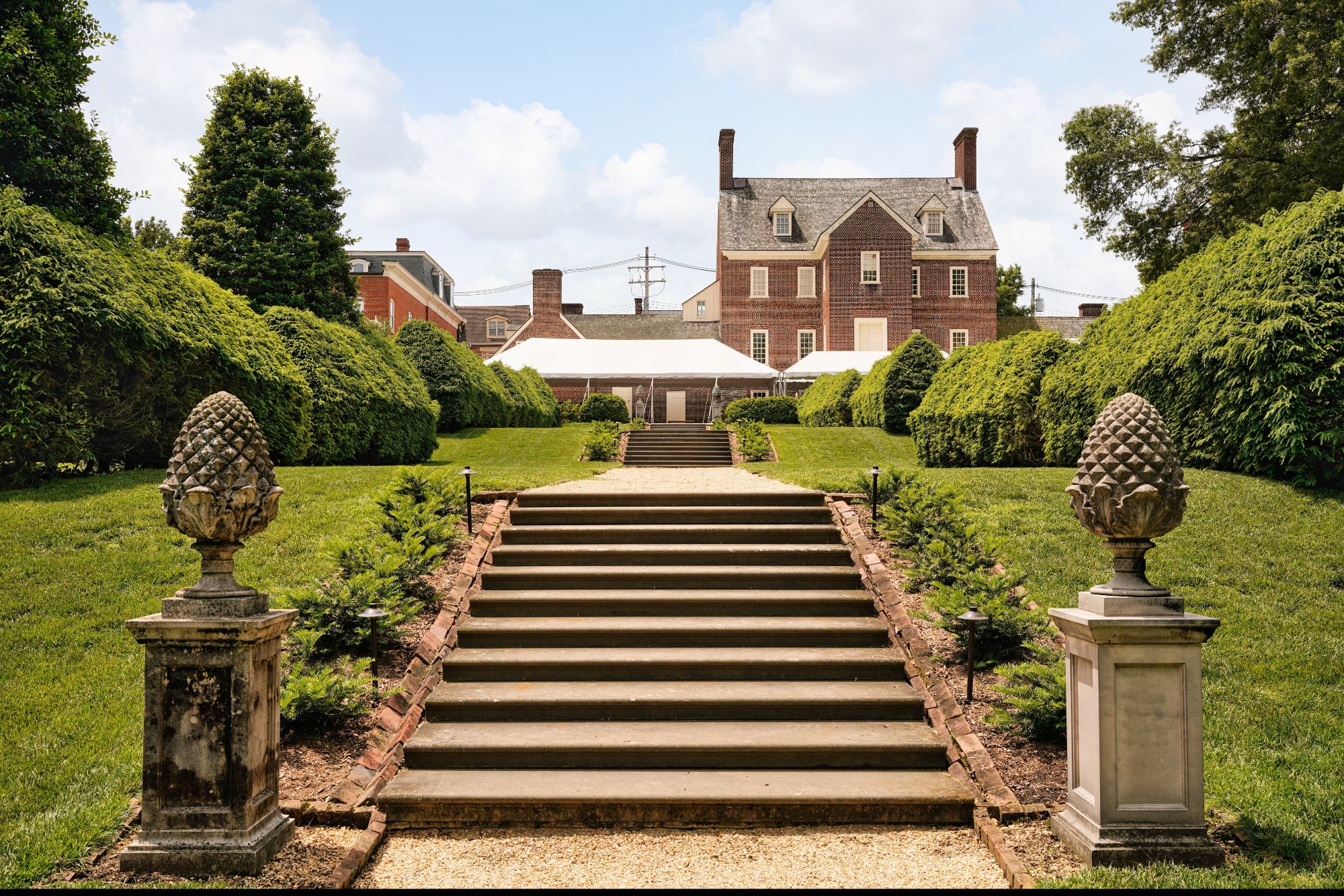
The Annapolis Historic District is a National Historic Landmark District, and it's the real thing - 18th-century brick homes, cobblestone streets, and properties like the William Paca House and the Hammond-Harwood House sitting essentially as they were built. If you're buying inside this district, the property comes with a whole separate set of considerations about what you can change and what you can't.
At the center of it all is the Maryland State House, the oldest state capitol still in legislative use in the United States. George Washington resigned his military commission here. The Treaty of Paris was ratified here. That's not marketing copy - that's what's actually in the history books.
Preserving the Past at Local Museums
Several institutions help document and maintain the area's heritage. The Banneker-Douglass Museum, housed in the former Mt. Moriah A.M.E. Church built in 1874, serves as Maryland's official repository of African-American material culture.
Other significant sites include the Museum of Historic Annapolis, the William Paca House & Garden museum, and the Annapolis Maritime Museum & Park in the Eastport neighborhood. For buyers researching a specific property's history, these institutions are worth knowing about - a couple of them maintain records that can help you trace the lineage of older homes.
What Annapolis Is Known For Today
The capital of Maryland is always going to carry legislative weight, and government employment remains a constant here. That stability doesn't disappear when interest rates move.
The waterfront continues to define both the lifestyle and the pricing. Homes near the water or within walking distance of the historic downtown draw serious attention, and the numbers bear that out - the average sale-to-list ratio across the city hovers around 100.7%. You don't see that figure in a slow market.
Frequently Asked Questions
What are the restrictions for renovating or expanding a home in the Annapolis Historic District?
It depends on the specific property and its historic designation. Homeowners generally have to submit exterior renovation plans to the local historic preservation commission for approval. If you're seriously considering an 18th-century brick home in the district, review those rules before you're under contract - not after.
Are there local or Maryland state tax credits available for restoring historic homes in Annapolis?
Yes, both local and state programs often provide tax incentives for approved historic rehabilitations. Talk to a tax professional and reach out to local government offices to find out which credits apply to the specific property you're looking at.
How can I research the history and past ownership of a house I want to buy in Annapolis?
Start with property records at the Anne Arundel County courthouse or the local archives. Buyers can also hire a title search company to pull historical deeds, which often reveal past property lines and former owners dating back over a century.
Does being located in a registered historic neighborhood increase a home's resale value in Annapolis?
It depends on the condition of the home and where the market stands, but properties in the Annapolis Historic District tend to hold strong value. With the median sale price around $618,000 across the city, designated historic homes frequently command a premium because of their architecture.
What are the most common inspection issues found when buying 18th and 19th-century Annapolis homes?
Outdated electrical wiring, aging plumbing systems, and foundational settling come up regularly. Hire an inspector with specific experience in historic properties - this is not the job for someone whose usual beat is 1990s subdivisions.
Can I use my historic downtown Annapolis property as a short-term rental or Airbnb?
It depends on current municipal zoning laws and the regulations specific to your neighborhood. The city enforces rules on short-term rentals, so verify the licensing requirements before you buy a property with that purpose in mind.
Categories
Recent Posts