 Jen HoldenLicense ID:639966
- +1(443) 803-7620 jen@thejenholdengroup.com
Annapolis Relocation Guide | Moving to Annapolis, Maryland
So, You’re Thinking About Moving to Annapolis.
This is the guide we wish every buyer had before starting the search. It covers the communities, commutes, waterfront language, schools, everyday logistics and small details that can make a very big difference here.
Local guide updated July 2026“Annapolis” can mean more than one thing.
There is the City of Annapolis, with its historic core, city services and municipal boundaries. Then there are the many surrounding communities that use an Annapolis mailing address but sit outside the city in Anne Arundel County.
That distinction affects more than the name on the envelope. It can influence property taxes, trash and recycling service, water and sewer, permitting, parking programs and which government office handles a question.
The smartest way to begin is not by choosing a ZIP code. Start with the daily life you want, the commute you need and how close you hope to be to the water. Then compare actual addresses one by one.
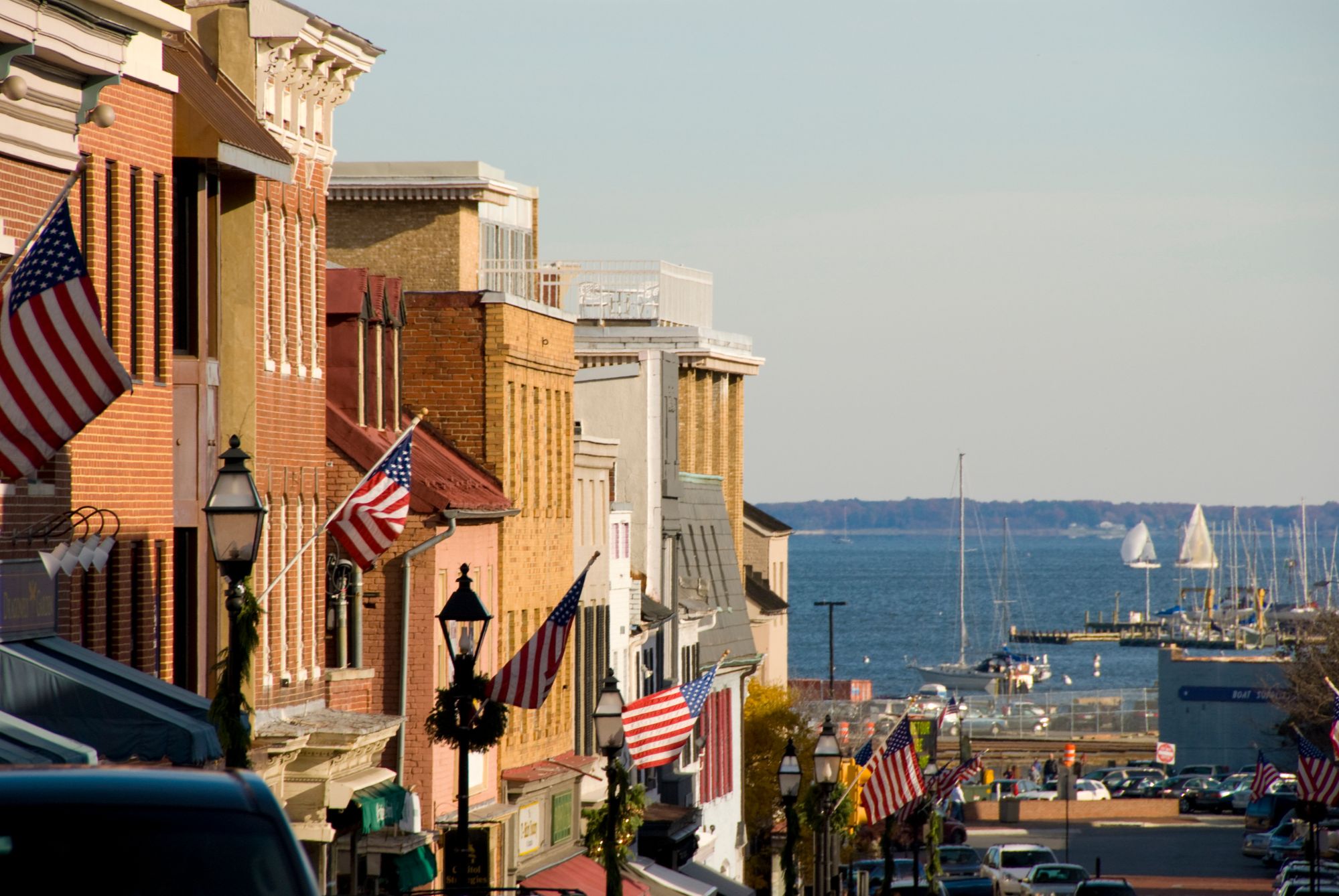
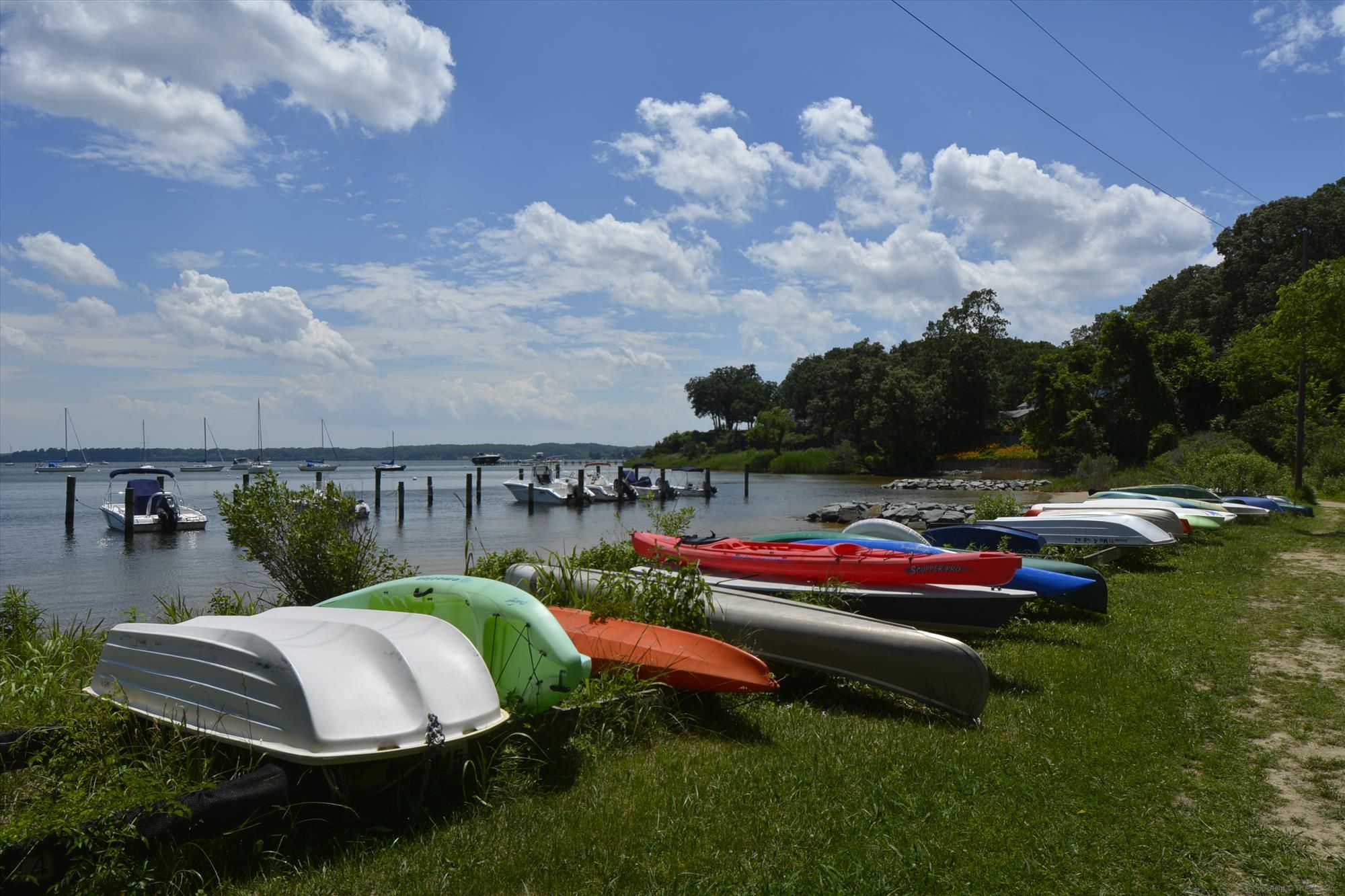
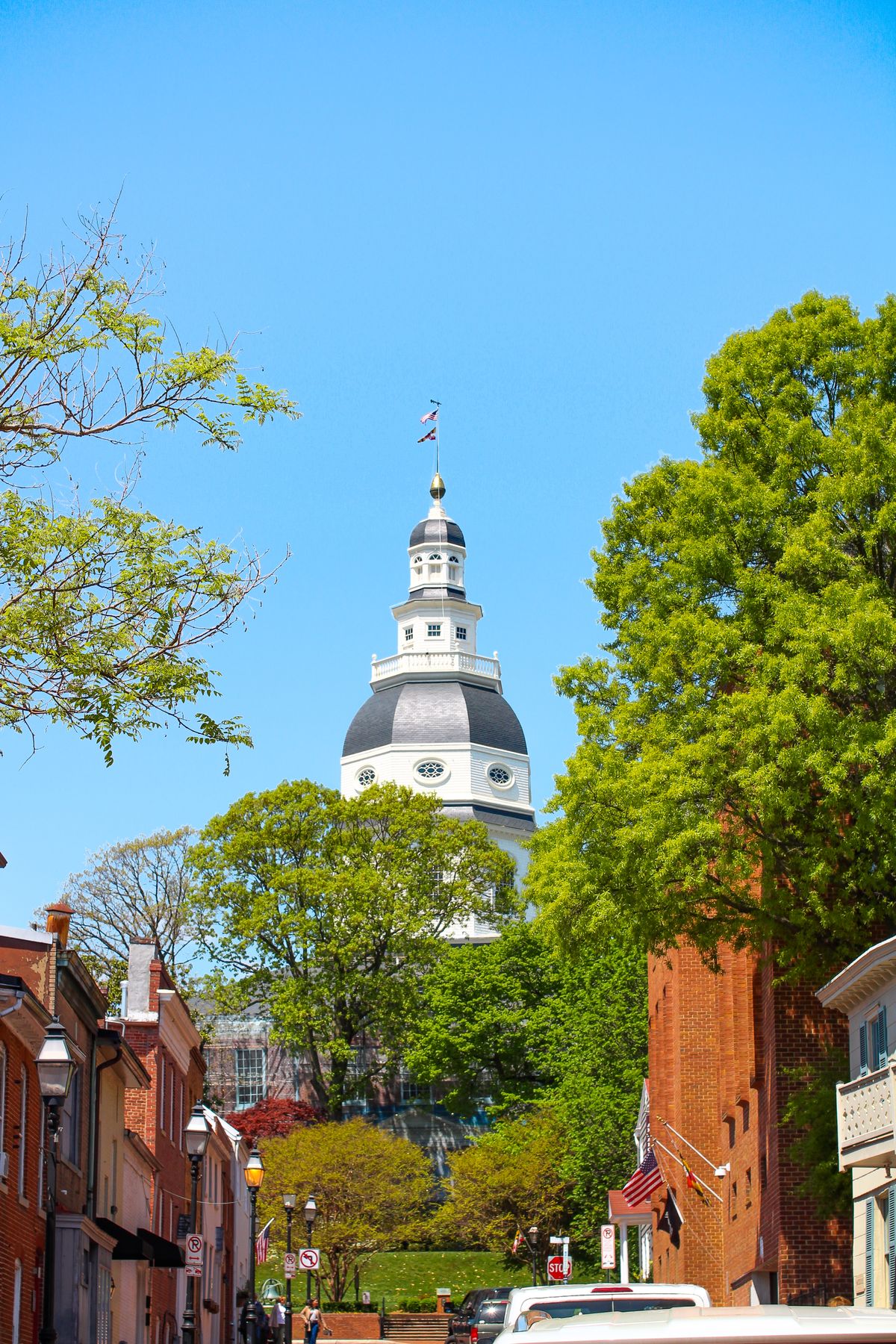
A local tip: Two homes with “Annapolis, MD” in the address can offer very different commutes, utilities, community amenities and relationships to the water. Always confirm the property’s actual jurisdiction and services during due diligence.
A practical tour of the Greater Annapolis area
These are not rankings. They are a starting point for understanding how the area changes from one side of the Severn River to the other.
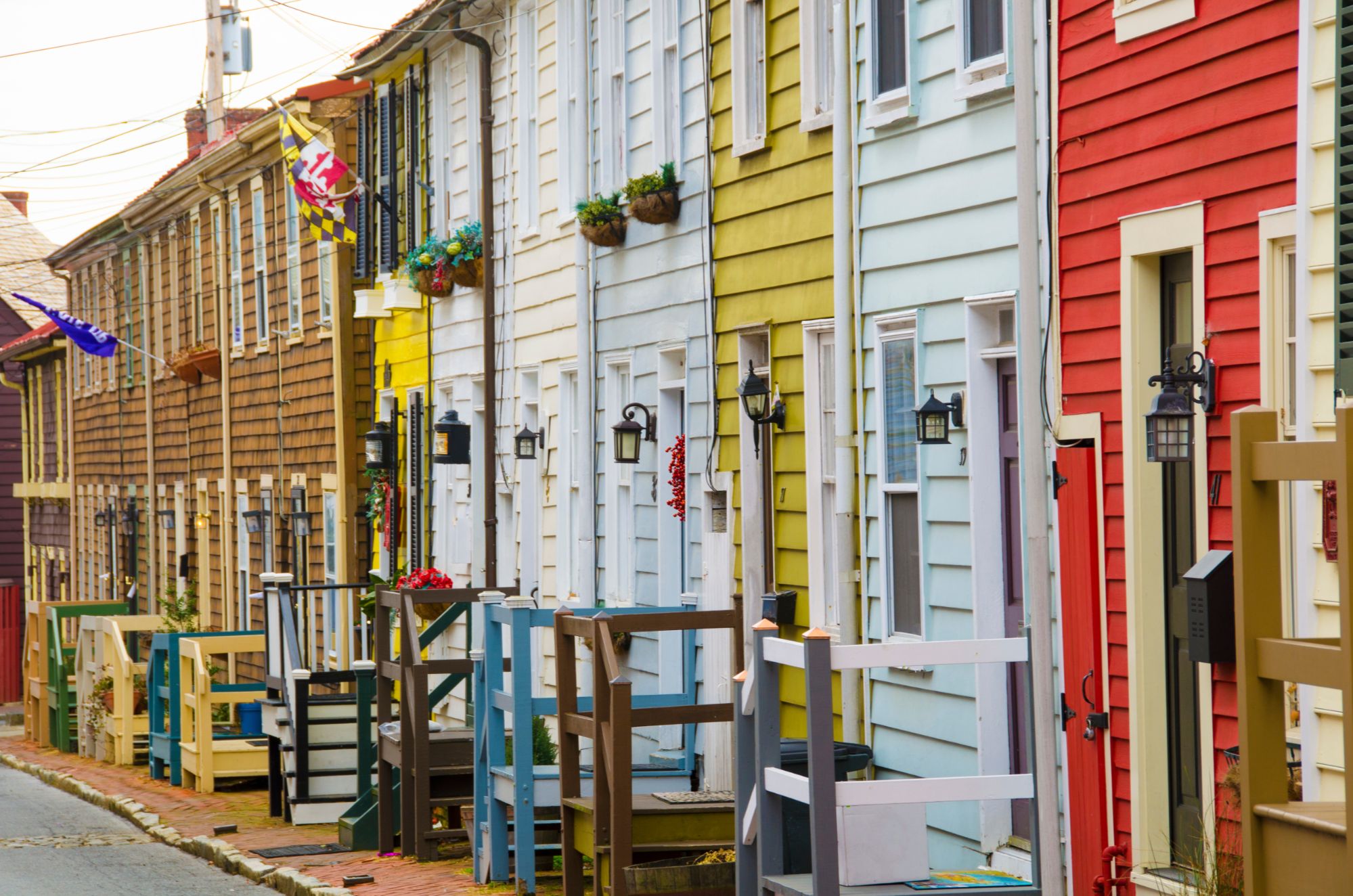
Historic Annapolis
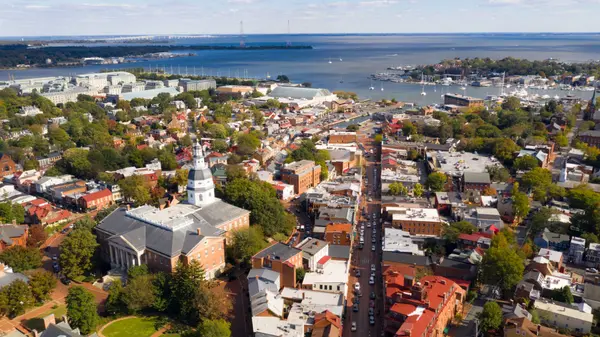
Downtown puts historic architecture, City Dock, restaurants, shops, the Maryland State House and the Naval Academy close together. Housing includes historic rowhouses, detached homes and condos.
Look closely atParking, historic-district rules, lot size, flood exposure and the practical realities of older homes.
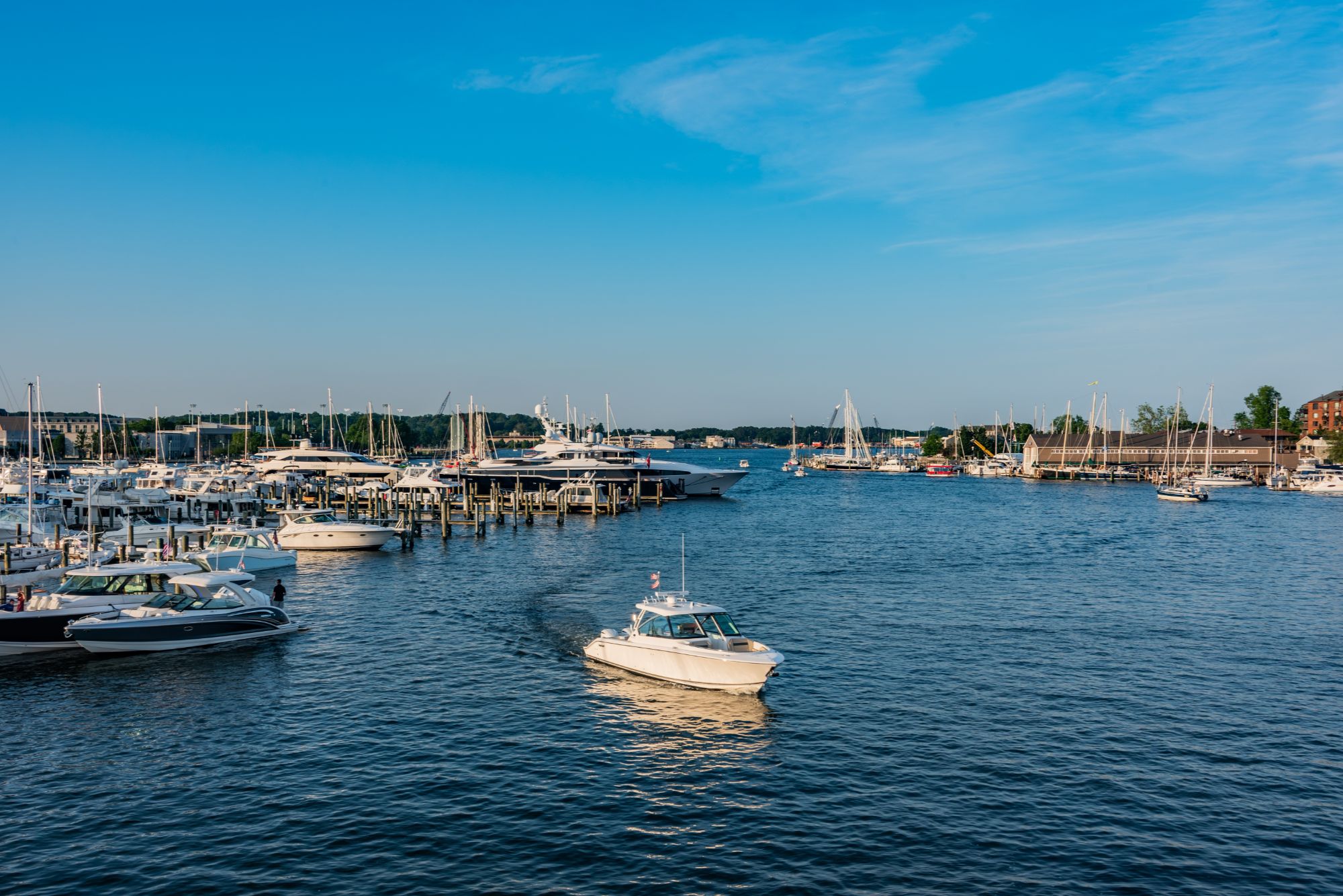
Eastport
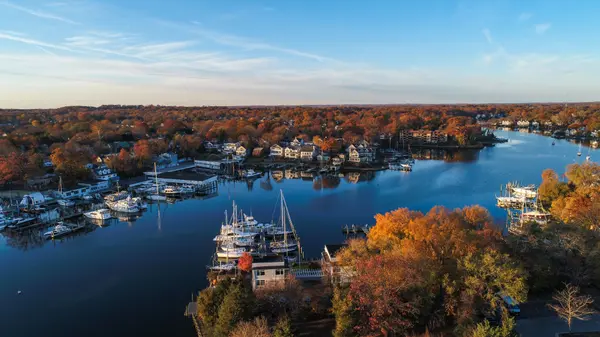
Across Spa Creek from downtown, Eastport has a strong maritime identity, marinas, restaurants and a mix of cottages, renovated homes, townhomes and newer construction.
Look closely atWater views versus actual access, marina options, street parking and special-event traffic.
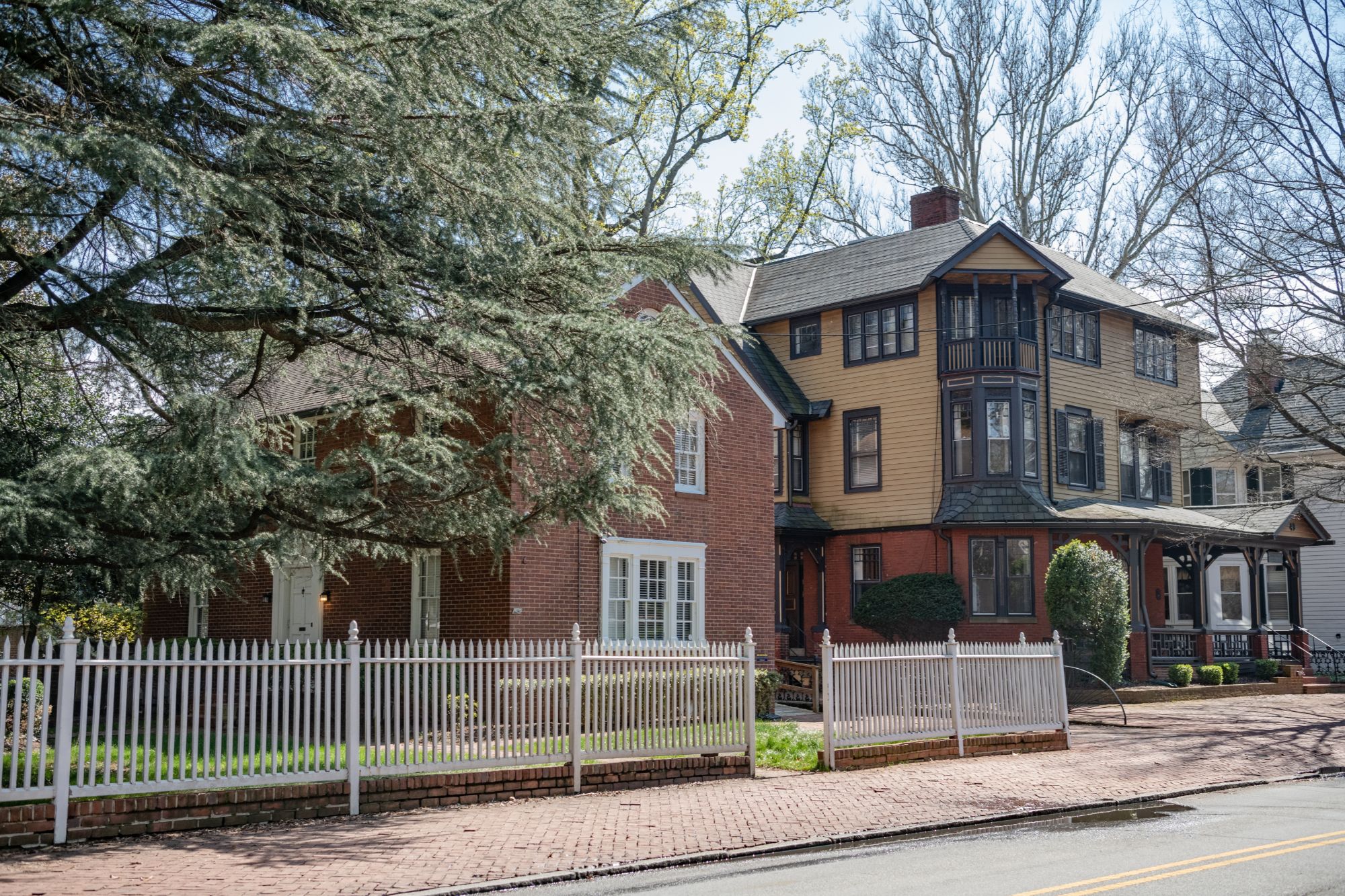
Murray Hill
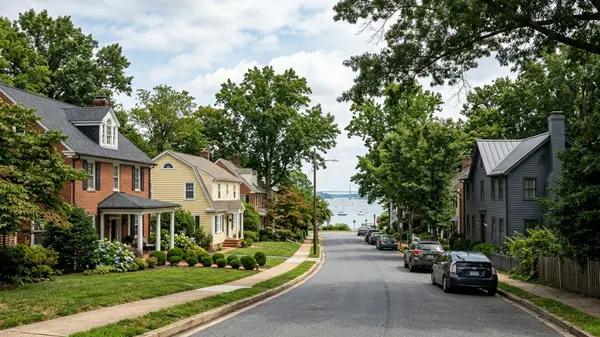
Just outside the historic core, Murray Hill is known for tree-lined streets and a mix of early homes, renovated properties and water-facing streets near Spa Creek.
Look closely atRenovation history, basement moisture, parking and whether water access is public, private or community-based.
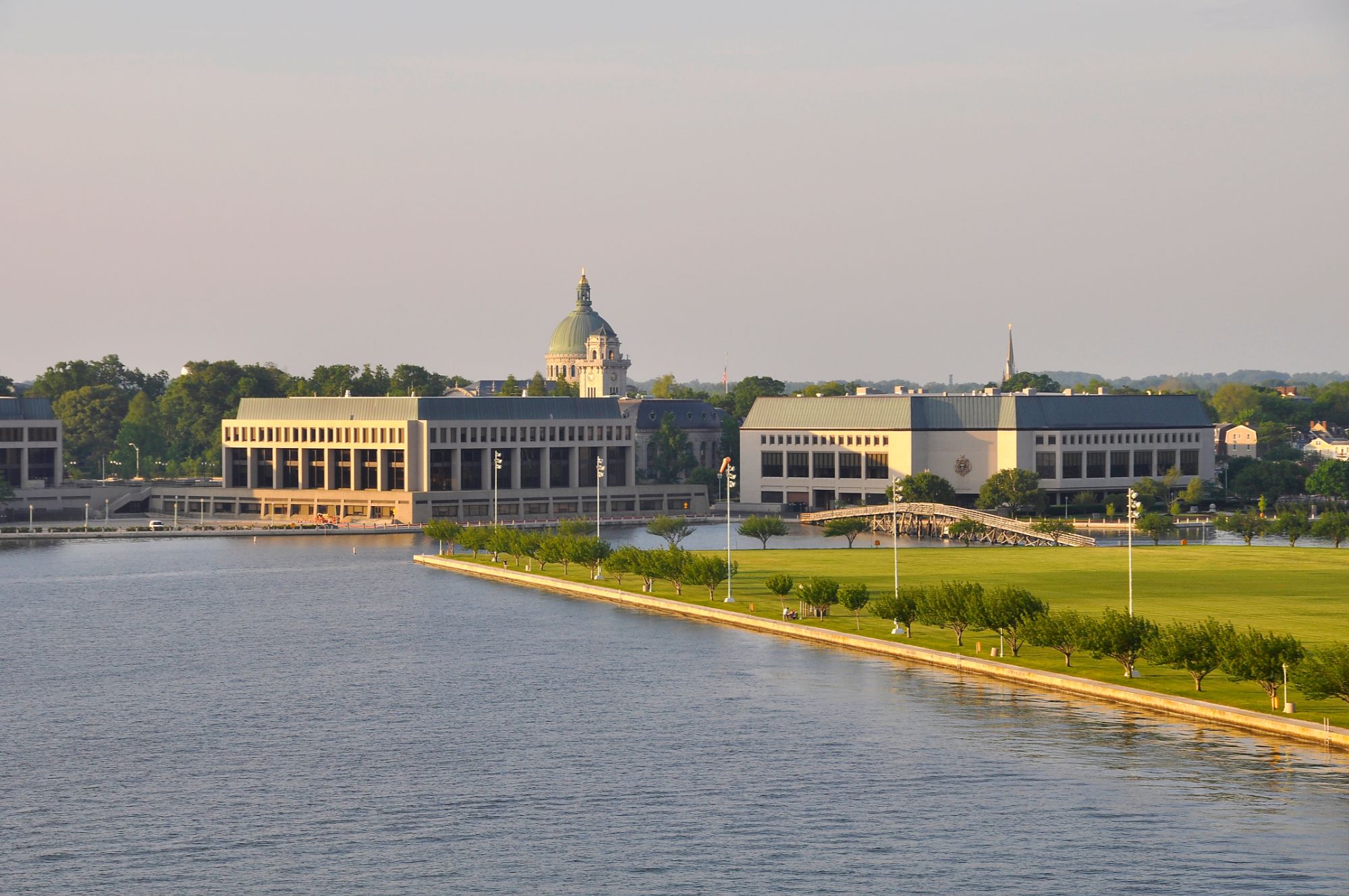
West Annapolis
A small commercial village and nearby residential streets create a convenient pocket near the Naval Academy, West Annapolis Elementary area and the Severn River.
Look closely atCity boundaries, school assignments, traffic patterns near Rowe Boulevard and community-specific amenities.
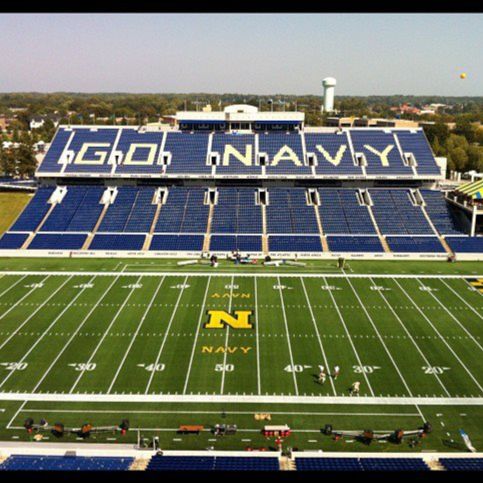
Admiral Heights, Germantown & Homewood
These established city neighborhoods sit close to West Street, Navy-Marine Corps Memorial Stadium and major routes. Housing ranges from mid-century homes to remodeled properties and townhomes.
Look closely atEvent-day traffic, sidewalks, city services and the specific home’s access to parks or community facilities.
Annapolis Neck
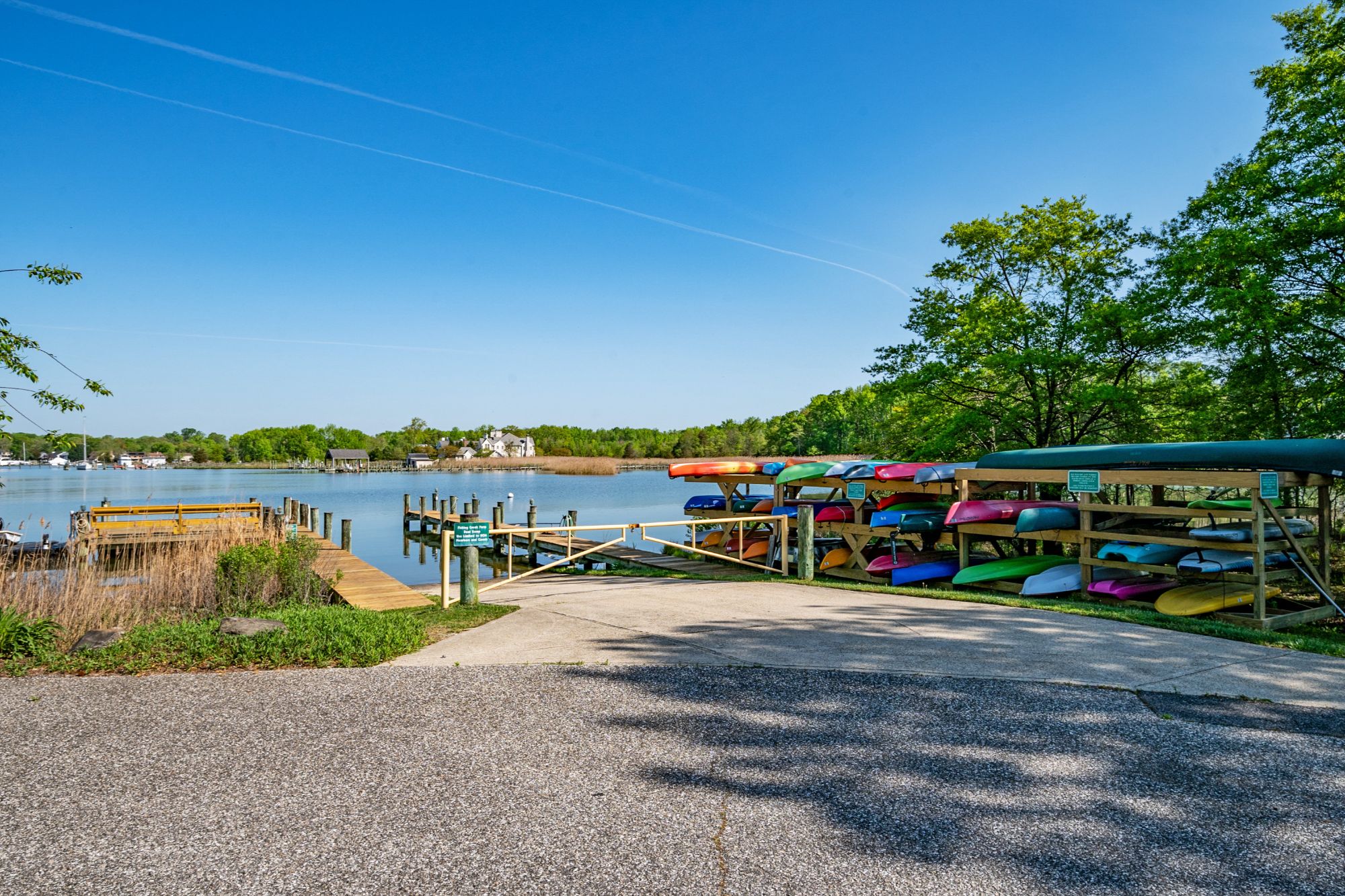
South of the city, communities such as Hillsmere, Bay Ridge, Arundel on the Bay and Oyster Harbor have distinct identities and different relationships to the South River and Chesapeake Bay.
Look closely atCommunity associations, beaches or boat facilities, sewer versus septic, and whether amenities convey with the property.
Broadneck, Arnold & Cape St. Claire
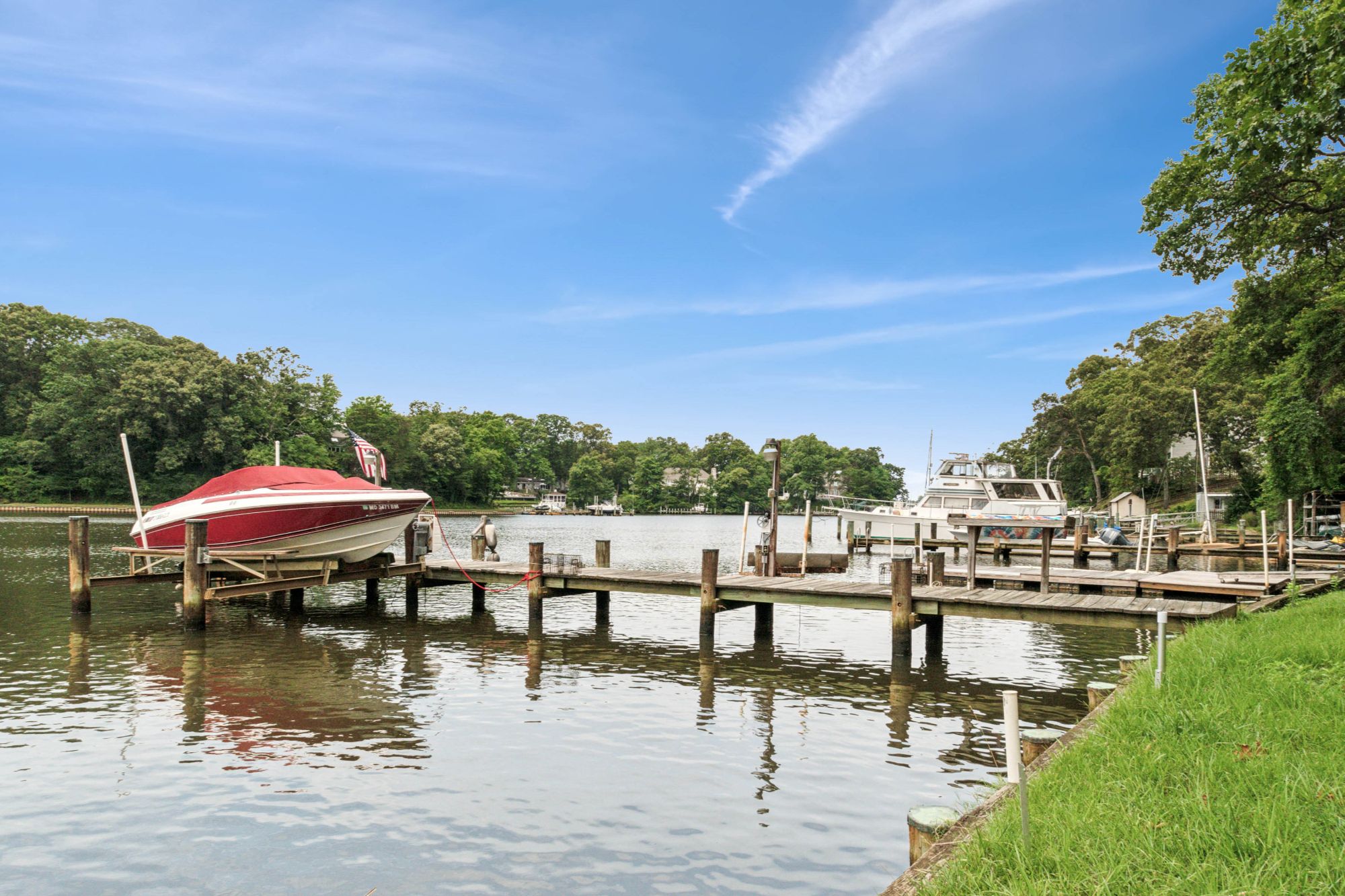
Across the Severn River, this broader area includes established subdivisions, water-privileged communities, townhomes and homes with quicker access toward the Bay Bridge or Route 2.
Look closely atBridge and peninsula traffic, community dues, beach or marina rights and current school boundaries.
Severna Park & Millersville
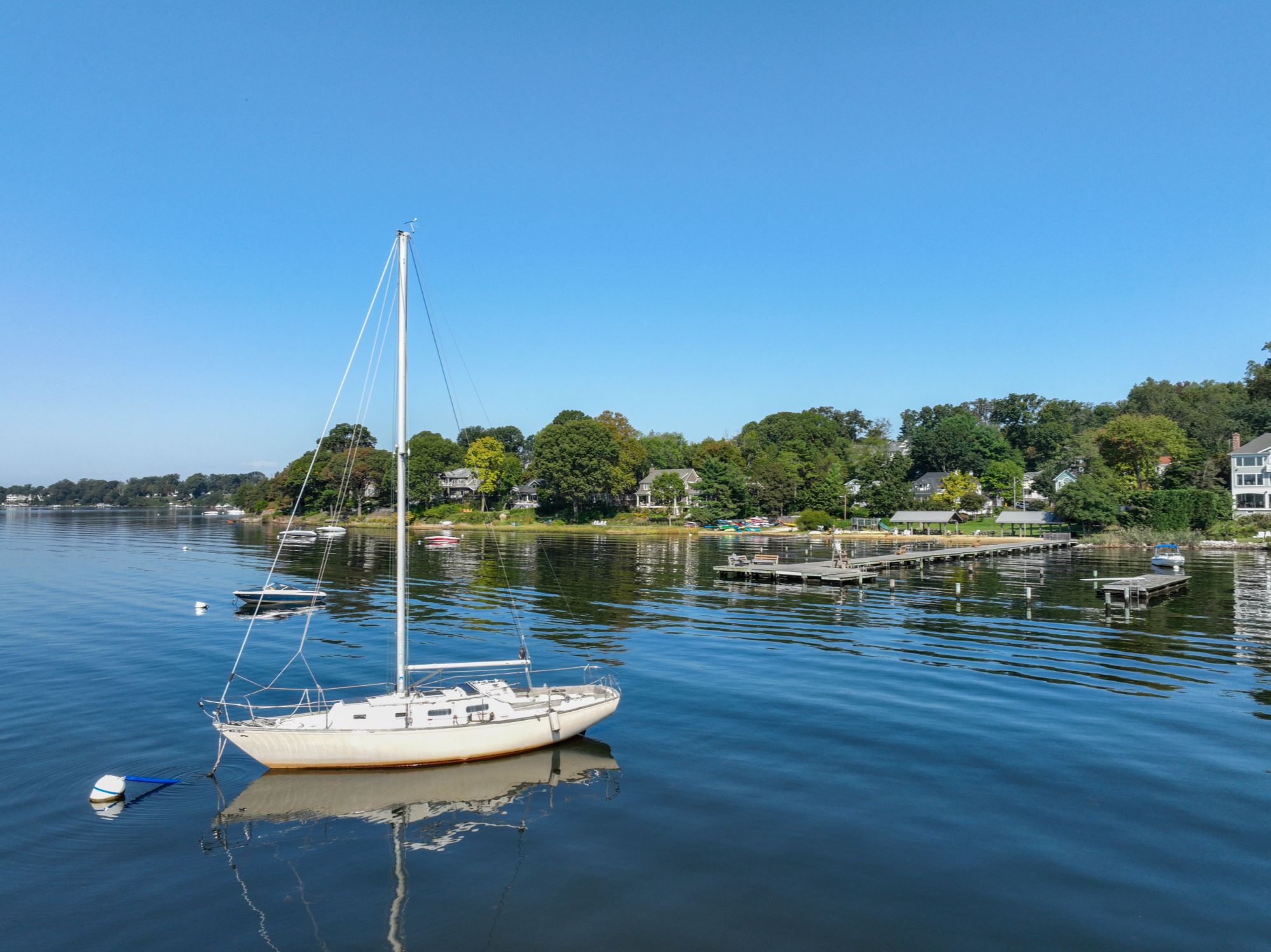
Northwest of Annapolis, these areas offer established neighborhoods, larger subdivisions, waterfront and water-privileged communities, and access toward I-97 and Baltimore.
Look closely atYour exact commute, community covenants, school assignments and the difference between public and community water access.
Edgewater, Riva & South River
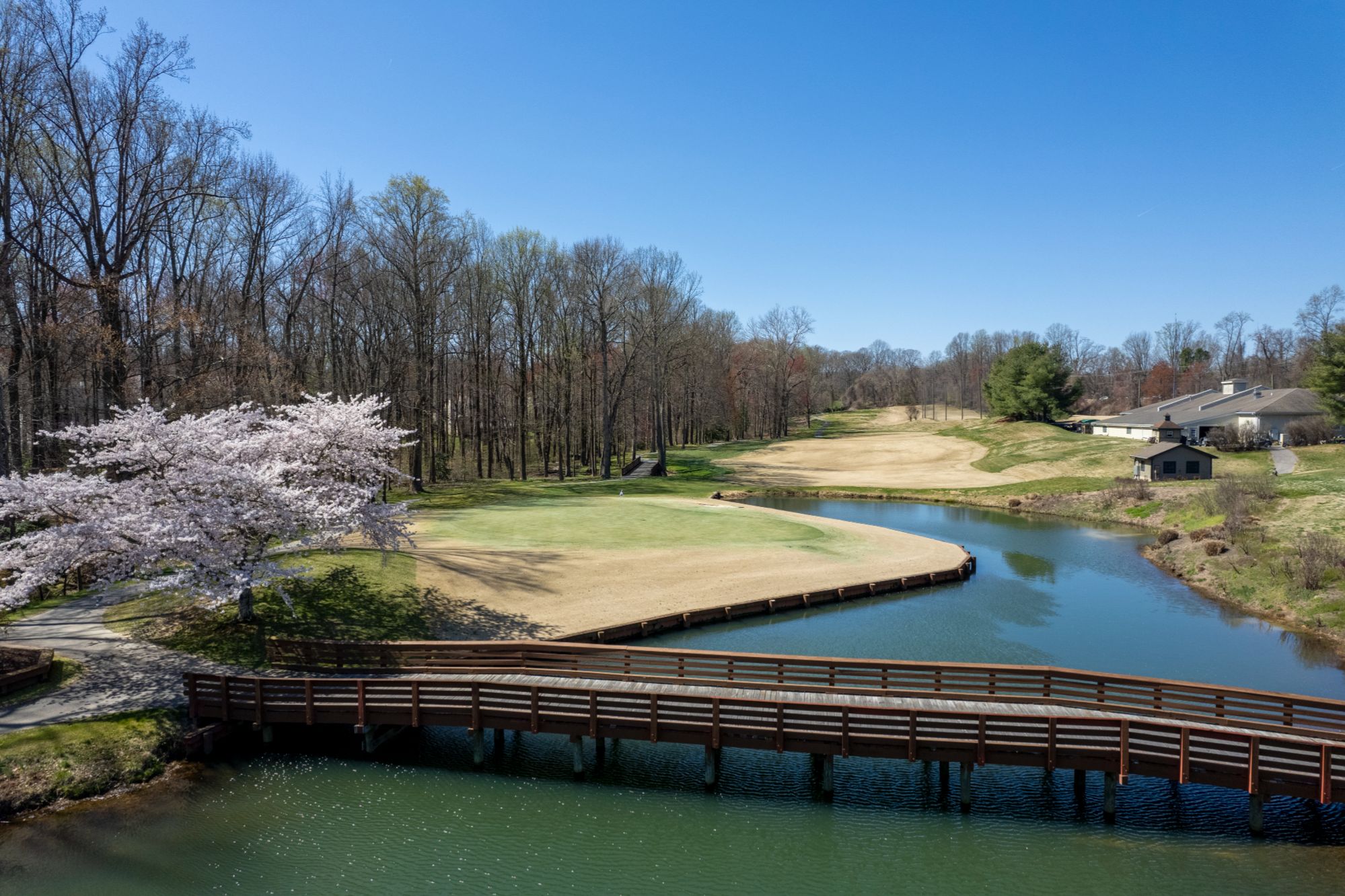
South and west of Annapolis, this area includes older waterfront communities, newer developments, larger lots and convenient access to Route 2 and Route 214.
Look closely atRoute 2 traffic, well and septic where applicable, water depth, dock permits and the home’s exact connection to the South River.
The right comparison: Instead of asking which community is “best,” compare what matters in your actual week: drive time at the hour you commute, distance to the places you use, home style, maintenance, parking, water access and the amount of neighborhood involvement you want.
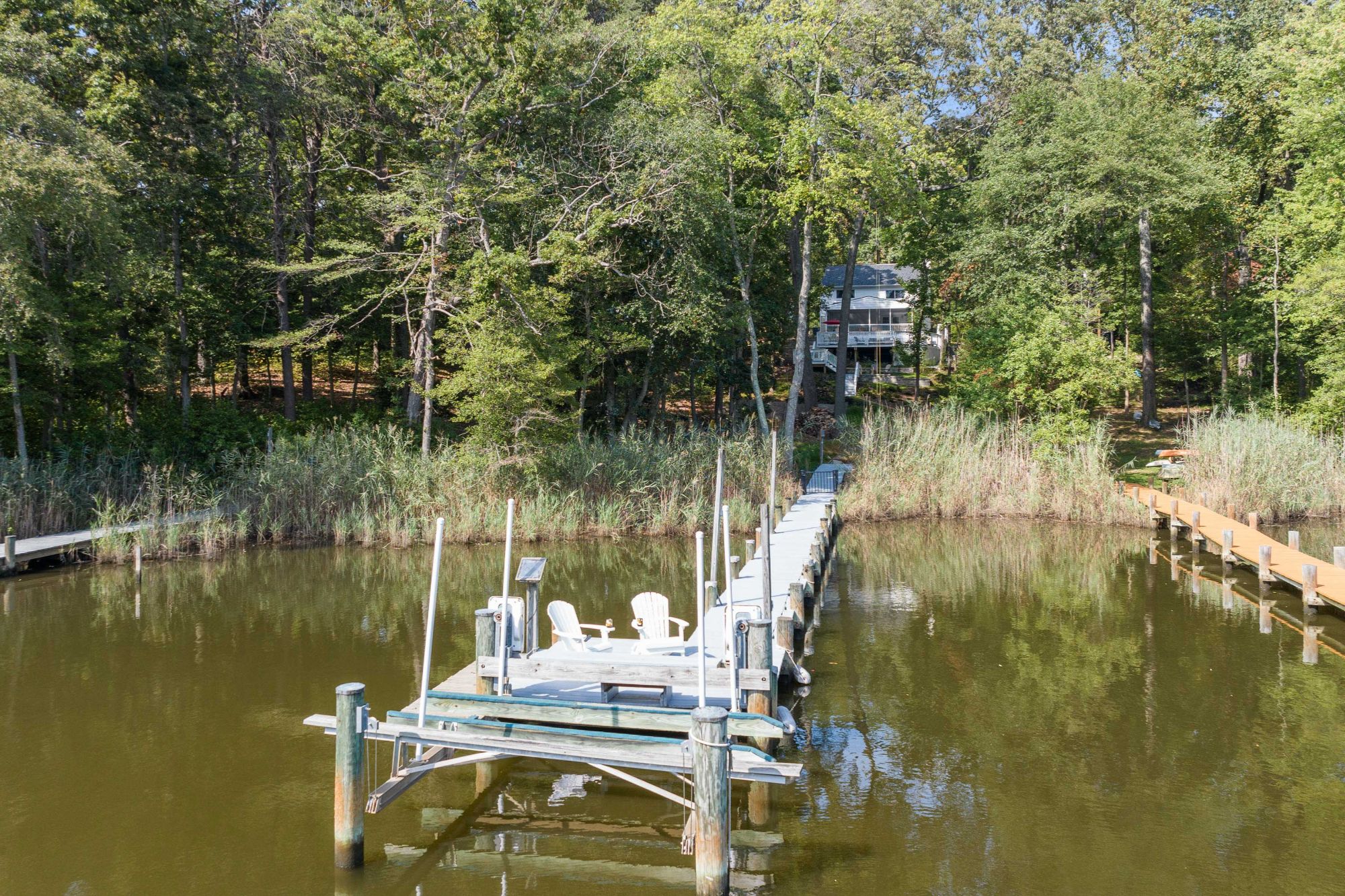
Near the water is not the same as having water rights.
Listings around Annapolis use several terms that can sound interchangeable. They are not. The deed, survey, permits and community documents matter more than the marketing language.
| Term | What it usually means | What to verify |
|---|---|---|
| Waterfront | The property directly adjoins a body of water. | Shoreline, water depth, pier rights, flood zone, bulkhead or erosion conditions, permits and insurability. |
| Water view | The home has a view of the water, which may be seasonal, partial or across another property. | Whether the view is protected, what vegetation can be changed and whether future construction could affect it. |
| Water access | Some legal or practical route to the water may exist, but the form of access varies widely. | Deeded rights, association membership, fees, parking, launch rules, waitlists and guest policies. |
| Water-privileged | A community may offer shared amenities such as a beach, pier, ramp, kayak rack or clubhouse. | Which amenities the property can use, whether membership is mandatory or optional, and any separate slip or rack fees. |
| Boat slip or marina access | A slip may convey, be separately deeded, leased, assigned or available only through a waitlist. | Ownership, transferability, size limits, water and electric service, depth, winter storage and current fees. |
Six details that deserve extra attention here
A home near the Chesapeake can come with layers of history, water, environmental regulation and community rules. None of that should be intimidating. It just needs to be investigated early.
Verify the address, not the neighborhood name.
Public school assignments are based on the specific property address and can change. A community name, mailing address or nearby school is not enough to confirm the assignment.
Use the official AACPS locator.
Anne Arundel County Public Schools adopted boundary changes affecting the Annapolis, Broadneck, Severna Park, South River and other clusters for the 2026–2027 school year. Confirm every property through the AACPS Boundary and Feeder tools , then review enrollment instructions directly with the school system.
For every buyer: We provide objective property information and official resources. We do not rank schools or steer clients toward or away from a community. Your own research, commute tests and visits are the best way to decide what fits your household.
Regional access is a strength. Timing is the variable.
Annapolis sits between Washington, Baltimore and Maryland’s Eastern Shore. That position is useful, but commute time can shift significantly with rush hour, bridge traffic, weather and major events.
By car
US 50/301 is the primary east-west route. I-97 connects north toward Baltimore, and Route 2 runs through several key Annapolis-area communities.
Test the drive at the time you will actually make it. Bay Bridge traffic, summer weekends, Navy events and downtown road closures can change the experience.
Commuter options
Maryland MTA operates commuter bus routes between Annapolis and Washington, with additional routes serving Severna Park, Davidsonville, Kent Island and Baltimore.
Schedules and stops change, so confirm the current route before building it into a home search.
Airport access
BWI Marshall is generally the most convenient major airport. The airport estimates approximately 30 minutes between BWI and Annapolis under normal conditions.
A free Anne Arundel County BWI Express shuttle currently links BWI with Annapolis Mall through intermediate stops.
Inside the city
The City of Annapolis operates local transit and provides parking information for meters, garages, residential programs and downtown events.
Parking rules vary by location. Confirm permits and garage options before choosing a home where off-street parking is limited.
By water
Annapolis Water Taxi service connects points around the harbor and creeks during its operating season. It is useful for dining and events, but it is not a substitute for year-round transportation.
Check seasonal hours and current stops before relying on it.
Walking and biking
Historic downtown is compact and walkable. Elsewhere, sidewalks and bike infrastructure vary block by block.
Use the City’s trail and bike resources, then walk the actual route from home to the places you expect to use.
It is a waterfront town, but the water is only part of the story.
Annapolis blends state government, Navy traditions, a working maritime industry, neighborhood routines and a year-round local calendar.
On and near the water
Sailing, paddling, fishing, marinas and waterfront walks are woven into the area. Public access exists through city and county parks, cartop launch sites, boat ramps and beaches, while many communities maintain their own private amenities.
History in daily view
The Maryland State House, the U.S. Naval Academy and centuries of architecture sit inside a living city. Visitor access to the Naval Academy can change, so always review current security and identification requirements.
Distinct local pockets
Main Street and Maryland Avenue, the West Street arts area, Eastport, West Annapolis and Annapolis Town Center each offer a different mix of dining, shopping and events. Locals tend to build routines around several areas, not just one.
A calendar with its own rhythm
Commissioning Week, Wednesday Night Races, boat shows, arts festivals, Navy football and holiday traditions are part of the city’s personality. They also affect traffic, parking and short-term plans.
A simple checklist for the first 60 days
Some of these steps depend on whether the property is inside the City of Annapolis or in Anne Arundel County. Start with the address and confirm the correct provider.
Confirm the house
Set up daily life
Finish the Maryland details
Official resources for new residents
Rules, schedules and boundaries can change. These links take you directly to the agencies that maintain the current information.
Annapolis relocation FAQ
Do I need a boat to enjoy Annapolis?
Not at all. Public parks, waterfront restaurants, cruises, the water taxi, trails and community events make the water part of life even when you never own a boat.
Is every Annapolis address inside the city?
No. Many homes use an Annapolis mailing address but are outside municipal boundaries in Anne Arundel County. Confirm the jurisdiction for each property.
Can I commute to Washington or Baltimore?
Many residents do. The experience depends heavily on exact location, schedule and traffic. Test the route during your actual commute window and review current commuter-bus options.
Does water-privileged mean a boat slip is included?
No. It may mean access to shared amenities, while slips can be assigned, separately leased or subject to a waitlist. Verify the written rights and current availability.
Are school assignments easy to confirm?
They are address-specific and can change. Use the AACPS locator for the exact property and confirm current information directly with the school system.
What should I inspect beyond the house itself?
Depending on the property: flood exposure, shoreline, bulkhead, pier permits, water depth, Critical Area limits, well, septic, historic approvals and community rights.
You do not have to figure out Annapolis one listing at a time.
We can help you compare communities, test a realistic commute, understand water-access language and build a search around the way you actually want to live. That is where local experience matters most.
Categories
Recent Posts