 Jen HoldenLicense ID:639966
- +1(443) 803-7620 jen@thejenholdengroup.com
Senior Living and Retirement Communities in Annapolis, MD, for 2026
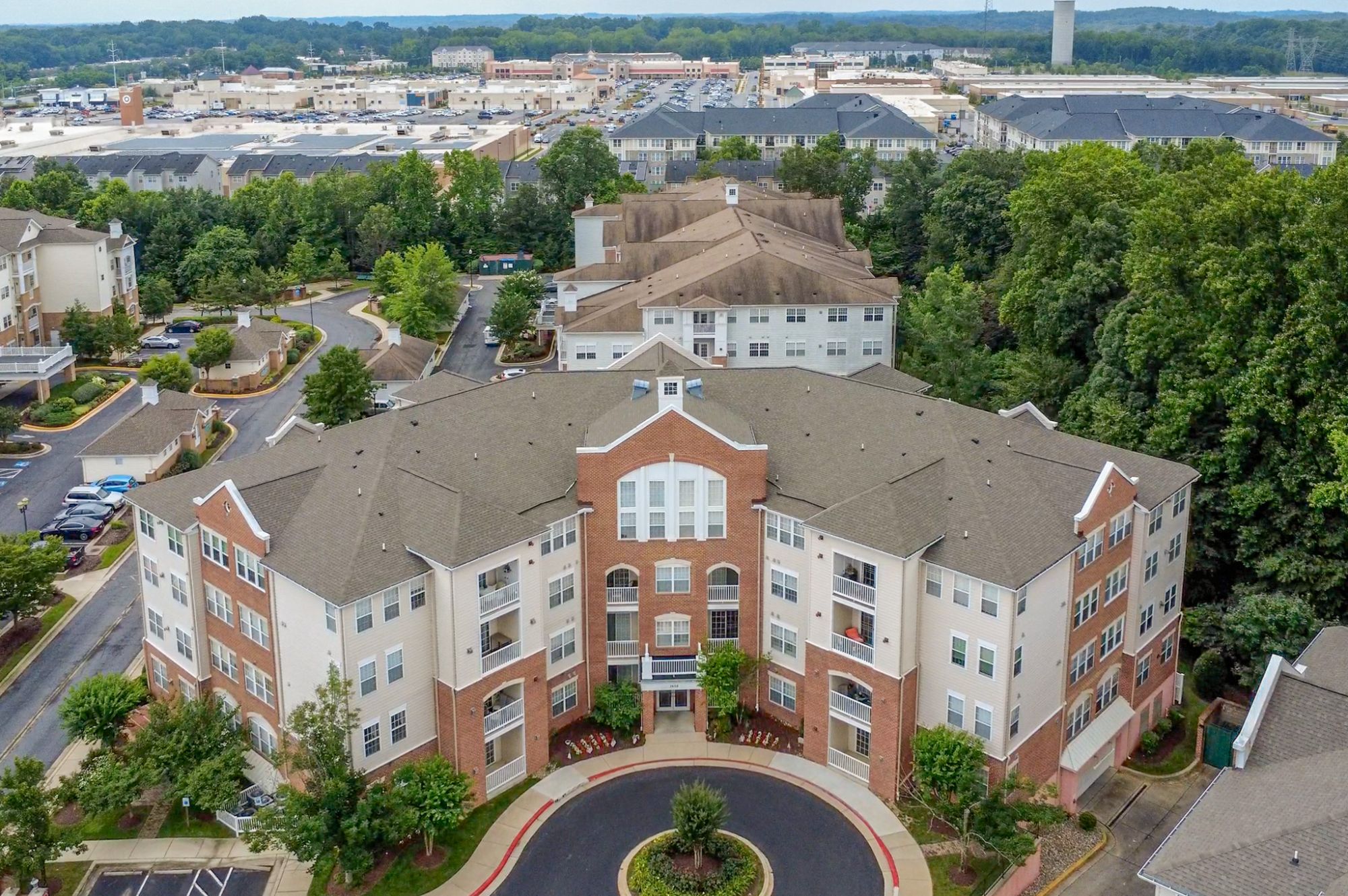
The median home sale price in Annapolis, MD, sits around $618,000, with properties typically spending roughly 28 days on the market. For older adults looking to downsize or move into something more specialized while living in Annapolis, MD, that's a fast-moving, inventory-constrained environment - about 144 homes available at any given time.
The choice you're really making is between active adult neighborhoods, assisted living facilities, and continuing care retirement communities. Each has its own cost structure, its own entrance fees, and its own version of daily life. A solid understanding of these options saves a lot of time before you start touring.
Annapolis 55+ and Retirement Communities at a Glance
The Annapolis area runs the full spectrum - from independent apartments to full-service medical care campuses. You'll find well-known names like Ginger Cove and Baywoods of Annapolis, along with smaller independent living complexes scattered throughout Anne Arundel County.
Standard residential sales in the broader Annapolis market close just slightly above listing price, but that math doesn't quite apply when you're looking at specialized senior communities. Most of these operate under financial models that are genuinely different from traditional real estate - think entrance fees or income-based rent structures rather than fee-simple ownership.
Types of Communities Available
The local market divides into distinct categories based on the level of care and the ownership structure. Some buyers want a standard deeded home in an age-restricted neighborhood. Others want an all-inclusive rental that covers meals and maintenance and doesn't leave them managing a property.
Facilities in Anne Arundel County generally fall into independent living, assisted living, or continuing care. Each model has its own pricing structure and eligibility requirements.
Understanding the 80/20 Age Rule
Many active adult neighborhoods operate under the Housing for Older Persons Act - the federal law requiring that at least 80% of occupied units have at least one resident who is 55 years of age or older.
That remaining 20% can technically house younger residents, but communities set their own specific age restrictions in their bylaws. Some strictly require all primary residents to be 55 or older, regardless of what federal law permits.
Senior Living Options in the Area
What you need right now - and what you might need five or ten years from now - should both factor into where you look. Active adults who want minimal maintenance often prefer a condo in an age-restricted neighborhood. People anticipating future medical needs tend to lean toward facilities with built-in care tiers.
The local inventory supports both independent buyers and those seeking structured daily assistance.
Active Adult and 55+ Neighborhoods
These neighborhoods look like standard residential subdivisions but restrict ownership or occupancy based on age. Residents buy or rent their homes and pay homeowners association dues to cover exterior maintenance and shared amenities.
Don't expect on-site medical staff or dining halls here. These communities cater to independent adults who want to live alongside peers in a quieter setting - that's the draw.
Independent and Assisted Living
Independent living complexes offer private apartments with conveniences like housekeeping, group meals, and social events. Residents manage their own schedules but benefit from a community environment.
Assisted living facilities provide direct help with daily activities - bathing, medication management, dressing. Monthly fees scale based on the specific level of care a resident requires, so two people living in the same building can be paying very different amounts.
Continuing Care Retirement Communities (CCRCs)
A CCRC lets residents move into an independent apartment and transition to assisted living or skilled nursing care on the same campus as their health needs change. The Village at Providence Point and Ginger Cove both operate under this model.
The financial structure is straightforward in concept: a large upfront entrance fee, then standard monthly charges. What you're buying is the guarantee of long-term care access without having to relocate later.
Senior Apartments and Mobile Home Parks
Dedicated senior apartments offer a more traditional rental experience with age restrictions. These buildings typically feature accessible layouts and shared common spaces, without the high costs of assisted care.
Age-restricted mobile home communities are another distinct path in the Annapolis area - residents own the manufactured home itself but pay monthly lot rent to the park operator.
Notable 55+ Communities in Annapolis
The Annapolis landscape mixes high-end waterfront campuses with more modest inland developments. Proximity to the Chesapeake Bay and historic downtown pushes prices up considerably for properties closest to the water.
You'll find different clusters of senior housing depending on which side of Route 50 you're searching. That geography matters more than people expect - it affects commute times, amenity access, and how quickly family can get to you.
High-End and Luxury Options
Luxury senior living in Annapolis tends to center around waterfront access and extensive on-site dining. Baywoods of Annapolis sits directly on the water and offers cooperative ownership, where residents hold an equity stake rather than simply renting.
These premium facilities feature amenities like indoor pools, fitness centers, and scheduled transportation. The buy-in costs and monthly fees reflect the prime locations and what it actually costs to deliver that level of service.
Affordable and Low-Income Housing
Lower-income seniors have access to subsidized apartment buildings that cap rent based on household earnings. In the Baltimore-Columbia-Towson metropolitan statistical area, the Very Low Income threshold - 50% of the Area Median Income - is $48,000 for a one-person household in 2026. The Extremely Low Income tier, at 30% of AMI, sits at $28,850 for a single individual. Facilities operating under these HUD guidelines require income verification before approving a lease.
Buying Versus Renting
Purchasing a home in an active adult community builds equity, but it ties up capital and leaves the owner responsible for property taxes and interior repairs. With local homes selling in about 28 days, buyers have to be ready to move when something good comes up.
Renting a senior apartment offers immediate flexibility and predictable monthly expenses. You avoid ongoing maintenance costs, and you're not betting on property appreciation - which may or may not matter depending on where you are in life.
Communities in Parole and North Annapolis
Parole functions as a major commercial hub, which makes it a practical location for senior housing. Residents there live within a short drive of the Westfield Annapolis mall, grocery stores, and Anne Arundel Medical Center.
Communities in this northern section of the city offer quick access to Route 50 and I-97 - a real convenience for family members visiting from Baltimore or Washington, D.C.
The Cost of 55+ Living in Annapolis
Housing expenses in this region run higher than national averages, and senior living is no exception. Costs vary significantly depending on whether you're choosing a simple apartment or a facility with guaranteed medical care built in.
Factor in all ongoing expenses before you commit to anything - base rent, care surcharges, and association dues. The number that matters is the total, not the headline figure in a brochure.
Average Rents for Senior Apartments
The average rent for a 55+ apartment in Annapolis runs roughly $2,214 per month. The most affordable units - like those at Bay Forest Senior Apartments - start around $1,252 monthly. Higher-end rentals, like those at Gardens of Annapolis, can reach $2,499 or more. These figures generally cover the living space and don't include personal care services.
Entrance Fees and HOA Dues
Continuing care retirement communities in Maryland typically require entrance fees starting around $50,000 and climbing as high as $1,000,000. Monthly CCRC fees in the state range between $1,300 and $6,800, depending on the contract type and unit size.
For standard 55+ condo and townhome neighborhoods, HOA dues vary by property. The statewide median HOA fee is around $130 per month, but some full-amenity buildings in the Annapolis area charge individual fees in the $900 to $1,000 range.
Medicare and Financial Assistance
Medicare doesn't pay for long-term room and board in an assisted living facility. It will cover specific approved medical services, physical therapy, and short-term skilled nursing stays following a hospital admission - that's it.
Seniors who can't afford private assisted living often look to Medicaid, which offers waiver programs for eligible low-income individuals in Maryland. Veterans may also qualify for Aid and Attendance benefits to help offset monthly care expenses.
Is Annapolis a Good Place to Retire?
Retirees often choose this area for its maritime culture, historic downtown, and proximity to major East Coast cities. The lifestyle revolves around the Chesapeake Bay - boating, dining, cultural events.
That said, the financial realities of living in the state capital require honest planning. The local economic data and healthcare infrastructure are worth examining before you commit.
Cost of Living Considerations
Annapolis has a high cost of living compared to the rest of the country. BestPlaces assigns the city a cost of living score of 114.7, meaning expenses run about 14.7% higher than the U.S. average. AreaVibes places the index even higher at 137, and Salary.com reports living costs here are 25% above the national average and 48% higher than Maryland's state average. Housing prices drive most of that premium.
Healthcare Access and Amenities
Anne Arundel Medical Center provides comprehensive services - including specialized cardiac and orthopedic care - right in the city. For older adults weighing a move, that proximity matters.
The city's layout offers walkable historic districts, though many suburban neighborhoods require a car. Public transit options include local bus routes connecting major shopping centers with residential areas.
Pros and Cons of Active Adult Communities
Moving into an age-restricted neighborhood changes your daily environment and your financial obligations in ways that aren't always obvious from a tour. Some buyers genuinely thrive in a structured setting. Others find the rules stifling after six months.
Review the community bylaws carefully before signing anything.
Benefits of Age-Restricted Living
These neighborhoods tend to be quiet - minimal traffic, no late-night disruptions. Shared amenities like clubhouses and fitness centers make it easier to socialize and stay active without much effort.
Many communities handle all exterior maintenance, landscaping, and snow removal. If you want to travel without worrying about the property, that's a real advantage.
Common Downsides
The most frequent complaint is strict HOA rules that govern everything from exterior paint colors to pet sizes. You have to comply with these regulations - that's the deal.
Age restrictions also limit who can live with you. If an adult child or younger family member needs to move in, the community's 80/20 age rules might prohibit it.
How to Choose and Tour a Community
A brochure cannot tell you what the food actually tastes like or whether the staff seems like they want to be there. You have to visit in person, and you should visit more than once.
Multiple tours let you compare atmosphere and cleanliness across different facilities. Treat these visits like an interview where you're the one doing the hiring.
Questions to Ask on a Tour
Get the exact breakdown of monthly fees and find out what costs extra. Ask for a history of recent HOA or monthly rent increases - that tells you more about future affordability than the current rate does.
If you're touring an assisted living facility or CCRC, ask about the staff-to-resident ratio and how many employees are on duty during overnight shifts. That number is harder to spin than a marketing brochure.
Reading Reviews and Vetting Facilities
Online reviews offer a glimpse into the daily resident experience, but they skew toward extreme complaints or glowing praise. Look for consistent patterns around food quality, maintenance response times, and staff turnover - not one-off incidents.
For assisted living and skilled nursing facilities, check state inspection reports through the Maryland Department of Health. These public records detail any recent violations or citations a facility has received.
Frequently Asked Questions
What are the average HOA fees and buy-in costs for 55+ communities in Annapolis, MD?
Statewide, the median HOA fee in Maryland is $130 per month, though some full-amenity Annapolis buildings charge between $900 and $1,000 monthly. For continuing care retirement communities, entrance fees in Maryland range from $50,000 to $1,000,000.
Can someone under 55 live in an Annapolis retirement community if their spouse qualifies?
It depends on the community's specific bylaws. Under the federal 80/20 rule, a community can allow younger spouses to live there, but many local neighborhoods strictly enforce their own age minimums for all primary residents.
Are there waterfront retirement communities in Annapolis that include private boat slips or marina access?
Yes. Facilities like Baywoods of Annapolis are situated directly on the water and offer cooperative ownership structures that cater to a maritime lifestyle.
Which Annapolis 55+ neighborhoods allow residents to transition from independent living to assisted care?
Continuing care retirement communities like Ginger Cove and The Village at Providence Point offer this transition. Residents can move from independent apartments to assisted living or skilled nursing on the same campus.
Are you allowed to rent out your property in an Annapolis 55-and-over neighborhood?
It depends on the homeowners association rules. Many active adult communities restrict or completely ban subletting to maintain owner-occupancy rates and enforce age restrictions.
How long is the typical waitlist to buy a home in established Annapolis retirement communities like Heritage Harbour?
Wait times vary, but the overall Annapolis market moves quickly, with homes averaging just 28 days on the market. Buyers should work with an agent to monitor inventory, as desirable 55+ units often sell shortly after listing.
Categories
Recent Posts