 Jen HoldenLicense ID:639966
- +1(443) 803-7620 jen@thejenholdengroup.com
What to Expect When Investing in Annapolis, MD, Real Estate in 2026
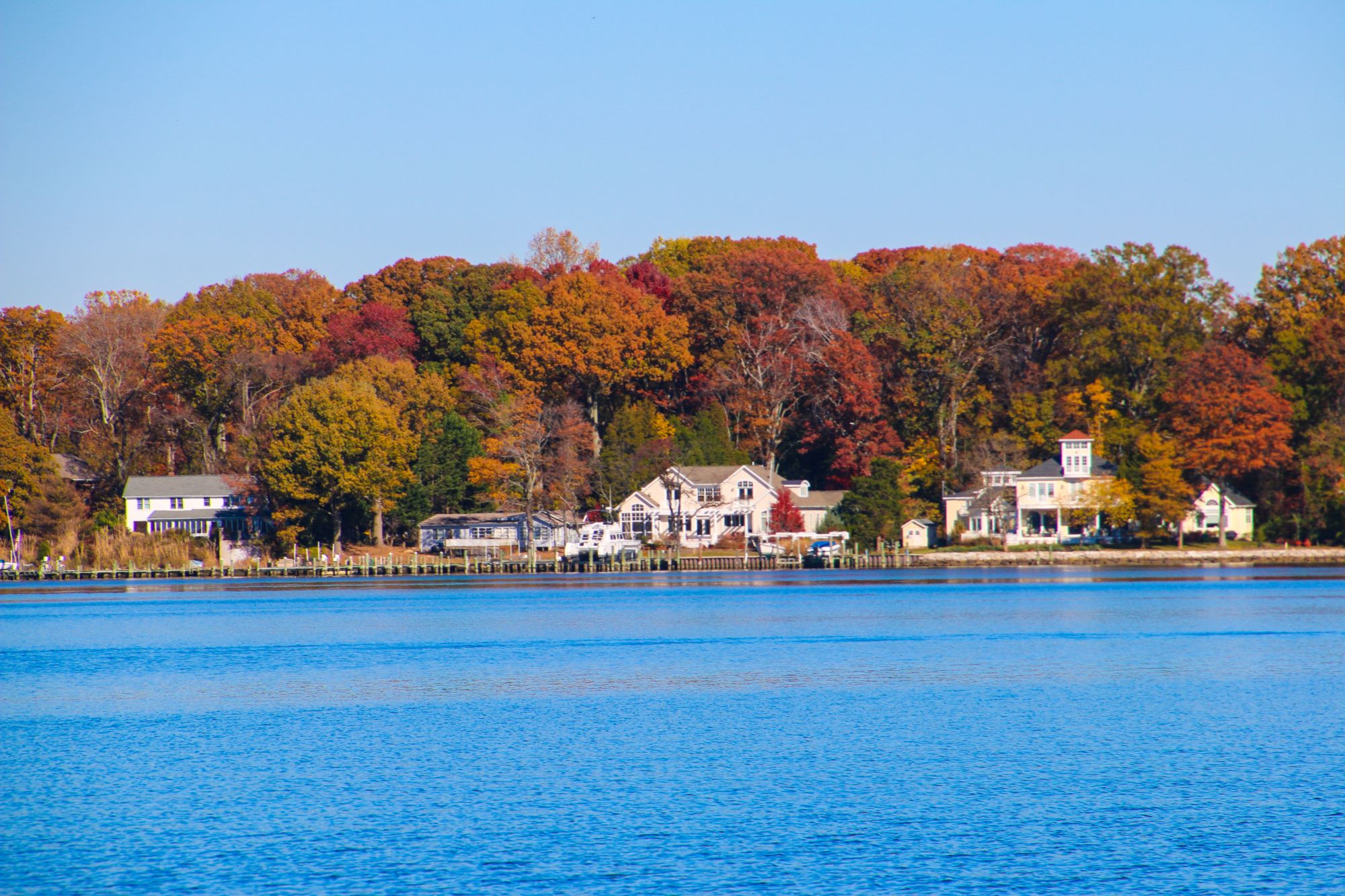
What to Expect When Investing in Annapolis, MD, Real Estate in 2026
The median home price in the Annapolis, MD housing market is sitting around $618,000 as of mid-2026. If you're eyeing the Anne Arundel County area, you're probably drawn here for the same reasons most investors are - steady rental demand and a historic waterfront market that doesn't behave like a typical suburb.
Whether you're evaluating a short-term rental near the water or a long-term commercial lease, the local numbers matter more than the general headlines. Working in Annapolis means working within specific city regulations, defined property tax rates, and an inventory environment that stays tight regardless of what interest rates are doing nationally.
Why Buyers Look at Annapolis for Property Investments
Available homes here are moving in about 28 days on average. There are roughly 144 active listings and less than three months of supply - well below what you'd need for a balanced market.
That pace means real competition, especially for turnkey single-family homes and multi-unit buildings. About 40 percent of recent sales closed above asking, pushing the average sale-to-list ratio just over 100 percent. You're not shopping in a market where you can lowball and wait.
Local sale prices and appreciation rates
Sale prices have leveled off from the massive spikes of a few years ago. The current median of $618,000 represents a slight dip of about 1 percent year-over-year - not a collapse, just a stabilization.
Some localized estimates put historic downtown properties well above that, but the citywide median stays near the $600,000 mark. Build that stabilization into your long-term appreciation models rather than assuming a return to pandemic-era growth.
Evaluating buyer demand and inventory
At 2.9 months of supply, Annapolis leans firmly toward a seller's market. A balanced market typically requires four to six months of inventory to satisfy buyer demand, so you're not close to neutral territory.
Investors hunting for wholesale deals or distressed properties will find very little sitting idle. Strong offers, limited contingencies - that's the entry price here.
Rent rates and tenant demand
Median rent hovers around $1,875 per month across all unit sizes, though some reports show average rents climbing closer to $2,300 or $2,440 for larger homes. That range is wide, and it reflects how differently downtown and the outer suburbs perform.
Month-to-month rentals see consistent interest from temporary workers and military personnel. Landlords should track local rental comps closely - the gap between a downtown one-bedroom and a Parole townhome is significant enough to change your underwriting entirely.
Market Data Driving Real Estate Decisions in Anne Arundel County
The Baltimore-Washington metro area provides a massive economic engine for the region, and Annapolis sits in an unusually advantageous position within it - close enough to draw commuters, distinct enough to retain its own identity. That geography pulls in renters who work in government, defense, and maritime industries and prefer coastal living over city proximity.
These economic drivers help you pick the right property type before you start touring listings.
Population and renter stability
The city's population currently sits between 40,500 and 41,300 residents, with recent estimates showing growth remaining relatively flat. This is a mature market, not a rapid expansion zone.
Flat population growth means you won't see massive influxes of new renters - but the existing demand stays consistent year over year. For a buy-and-hold investor, predictable beats explosive almost every time.
Taxes and carrying costs
Anne Arundel County levies a property tax rate of $0.977 per $100 of assessed value for fiscal year 2026. The state adds another $0.112 per $100, bringing the base combined rate to $1.089 per $100.
Properties within the incorporated city limits of Annapolis may face additional municipal taxes on top of that. Verify the exact burden for any specific address before you finalize your operating budget - the difference can be meaningful at Annapolis price points.
Common Approaches to Buying Property in the City
Real estate investment in Maryland takes several forms, from standard yearly leases to commercial syndications. Which approach makes sense depends on your available capital and your honest tolerance for property management - and those two things don't always align the way buyers expect.
Many local investors focus on single-family homes for steady cash flow. Others pursue multi-family units or wholesale deals where the equity is built through renovation rather than appreciation.
Long-term rentals and buy-and-hold properties
The buy-and-hold approach means purchasing a home to rent out year-round, building wealth through gradual mortgage paydown and long-term appreciation rather than quick flips. In a market this tight, it's the strategy most investors end up defaulting to whether they planned on it or not.
Landlords here often target areas with easy access to Route 50 or I-97. A standard 12-month lease gives you predictable income and keeps turnover costs down - both of which matter when your entry price is north of $600,000.
Flipping houses and the 70 percent rule
House flipping requires buying a distressed property, renovating it, and selling for a profit. The standard benchmark is the 70 percent rule - pay no more than 70 percent of the after-repair value minus the cost of repairs.
Making that math work in Annapolis with a median price of $618,000 is genuinely difficult. You'll almost certainly need to find off-market deals or properties with extensive structural issues to get anywhere near those margins.
Evaluating deals with the 1 percent and 3-3-3 rules
The 1 percent rule says a property's monthly rent should equal at least 1 percent of the purchase price. In a market where homes cost over $600,000 and rents average around $2,300, hitting that benchmark without a significant down payment or a multi-unit setup is rare. Run the numbers carefully before you fall in love with a property.
Some buyers also reference the 3-3-3 rule - three months of mortgage payments, three months of maintenance funds, and three months of vacancy reserves kept liquid. That buffer matters more than most first-time investors expect when an HVAC fails in August or a tenant breaks a lease early.
Operating Short-Term and Month-to-Month Rentals
Annapolis passed a strict ordinance in late 2025 regarding transient accommodations. The city now bars new short-term rental licenses on any blockface where these properties already make up more than 10 percent of the units.
Existing operators in over-cap areas can renew their licenses through November 2027. After that date, a lottery system will reduce the number of rentals to meet the cap, with priority given to owner-occupied properties. If you're buying specifically to run a nightly rental, you need to know exactly where you stand on that blockface before you close.
Licensing requirements and safety rules
Anyone leasing to transient guests must obtain a city license and a Maryland Sales and Use Tax license. You're also required to pay an 8 percent occupancy tax on your revenue.
The city enforces specific safety and operational standards: interconnected smoke alarms, safety inspections, a two-person-per-bedroom occupancy limit, and a detailed reservation log. These aren't suggestions.
Furnished properties and midterm leases
Given the tight restrictions on nightly stays, a lot of investors are pivoting to furnished rentals that cater to 30-day or 90-day leases. These midterm arrangements often bypass the strictest transient rules while still commanding a premium over unfurnished units.
Traveling nurses, government contractors, and people mid-relocation are the typical tenant profiles here. The gross revenue on a furnished midterm rental tends to beat a standard yearly lease without the daily turnover of a vacation rental - a reasonable middle ground given where the regulations currently sit.
Annapolis Neighborhoods to Consider
Price points across the city vary by hundreds of thousands of dollars depending on where you look. Historic properties and water access drive the highest valuations, and the spread between submarkets is wide enough that they almost function as separate investment categories.
Map out the distinct submarkets before you start making offers. Entry costs and potential rental yields don't move together uniformly here.
Downtown and waterfront property values
Downtown Annapolis carries a median single-family price of $1,447,500. You're buying into historic preservation requirements alongside the waterfront premium - plan for both the capital outlay and the compliance obligations.
Eastport offers a similar waterfront appeal at a somewhat lower entry point, with single-family homes showing a median of $1,102,500. West Annapolis Wardour drops further to around $790,000 for a more suburban layout - still expensive by most standards, but meaningfully different from the downtown number.
Finding affordable rental submarkets
Areas like Parole present more manageable entry points for buy-and-hold investors. Condominiums and townhomes in these outer rings carry lower purchase prices while still capturing solid tenant demand from the broader metro workforce.
Commercial real estate clusters along the major transit corridors outside the historic center. If you're interested in mixed-use or multi-tenant retail, focus your search on those higher-traffic suburban zones rather than fighting the preservation restrictions downtown.
How to Finance and Protect Your Purchase
In a market with 144 active listings, pre-approved financing isn't optional - it's the baseline. Cash offers and commercial portfolio loans routinely beat standard conventional mortgages when sellers have multiple offers in front of them.
Align with local experts who understand Anne Arundel County specifically. Proper due diligence before closing prevents the kind of expensive surprises that turn a reasonable deal into a problem property.
Avoiding factors that devalue a property
Deferred maintenance and outdated major systems are the biggest value killers. In a coastal market, unmitigated water damage or a history of flooding will hit both your resale value and your insurance premiums harder than most buyers anticipate.
Unpermitted work is the other thing to watch carefully. If a previous owner finished a basement or added a bathroom without county approval, that liability transfers to you at closing - and bringing unpermitted work up to code is rarely cheap.
Local resources and property management
Connecting with an Annapolis real estate investment group is one of the more reliable ways to find off-market deals and vet contractors before you need one urgently. Other landlords will tell you things about specific neighborhoods that you won't find in any market report.
For out-of-state buyers especially, hiring a local property manager is usually the right call. A good team handles tenant screening, emergency repairs, and compliance with the city's rental regulations - all of which have enough local nuance to justify the management fee.
Frequently Asked Questions
Which Annapolis neighborhoods offer the best ROI for long-term rental properties?
While historic waterfront homes command premium rents, their million-dollar entry prices make traditional cash flow difficult. Target townhomes or multi-family units near Route 50 and I-97, where lower acquisition costs offer a clearer path to hitting the 1 percent rule.
What are the short-term rental and Airbnb regulations within Annapolis city limits?
Investors planning nightly rentals should verify their specific blockface cap before making an offer, as the city strictly limits these properties to 10 percent of units per block. If your target neighborhood is already at capacity, consider pivoting to 30-day furnished leases to bypass the strictest transient rules.
How do property taxes and investor fees in Annapolis compare to the rest of Anne Arundel County?
Because Annapolis sits within incorporated city limits, landlords here face additional municipal levies on top of the standard $1.089 per $100 county and state base rate. Check the exact address for special taxing districts, which can add between $0.10 and $0.50 per $100 to your annual carrying costs.
Is it more profitable to invest in downtown Annapolis historic homes or waterfront condos in Eastport?
Eastport offers a slightly lower entry point for waterfront appeal, but both areas require massive upfront capital. To determine true profitability, investors must weigh Eastport's $1.1 million median against the strict historic preservation compliance costs associated with Downtown properties.
Categories
Recent Posts