 Jen HoldenLicense ID:639966
- +1(443) 803-7620 jen@thejenholdengroup.com
Smart Pricing Strategies for Home Sellers in Annapolis, MD
Setting the right asking price determines how quickly your home sells and how much equity you walk away with. In mid-2026, the median sale price for a home in Annapolis, MD sits around $618,000. Properties are moving fast, with homes spending an average of just 28 days on the market before going under contract. Partnering with the best real estate agent in Annapolis, MD ensures you price your home accurately from the start.
While buyer demand remains strong, sellers cannot just pick a number out of thin air. Buyers have access to the same local sales data and will ignore listings that ignore recent neighborhood trends. Finding the right asking figure means balancing recent comparable sales, the specific features of your property, and the current inventory levels across Anne Arundel County.
The Current Real Estate Market in Annapolis
Currently, there is roughly a 2.9-month supply of available homes in the Annapolis area. A balanced market typically has four to six months of inventory, meaning sellers still hold a distinct advantage. Buyers are actively competing for a limited pool of properties, which keeps prices steady across most zip codes.
The data shows that homes are selling close to their asking price, with the average sale-to-list ratio sitting just above 100%. In fact, about 40% of properties are selling above their original list price. This indicates that buyers are willing to pay a premium for well-maintained homes priced accurately from day one.
Overpricing remains a common misstep that costs sellers both time and money. If a property sits untouched for weeks in a fast-paced market, buyers assume something is wrong with the house. Sellers should rely on recent local sales data rather than national headlines to set their expectations.
Approaches to Setting Your Asking Price
More than four out of ten homes in Annapolis currently sell above their original list price. This happens when a seller chooses an asking price that aligns with or slightly undercuts current buyer expectations. The right approach depends on your timeline, your property type, and the competition in your immediate area.
Sellers generally choose one of three main paths when bringing a home to the market. Each path carries different risks and rewards depending on whether you are selling a waterfront estate or a modest townhome.
-
Pricing at market value: Setting the price exactly where recent comparable sales suggest it should be. This attracts serious buyers who have been tracking local inventory and recognize a fair deal.
-
Pricing slightly below market value: Listing a home 2% to 5% under recent sales figures to generate immediate interest. This tactic often leads to multiple offers, driving the final sale price up as buyers compete.
-
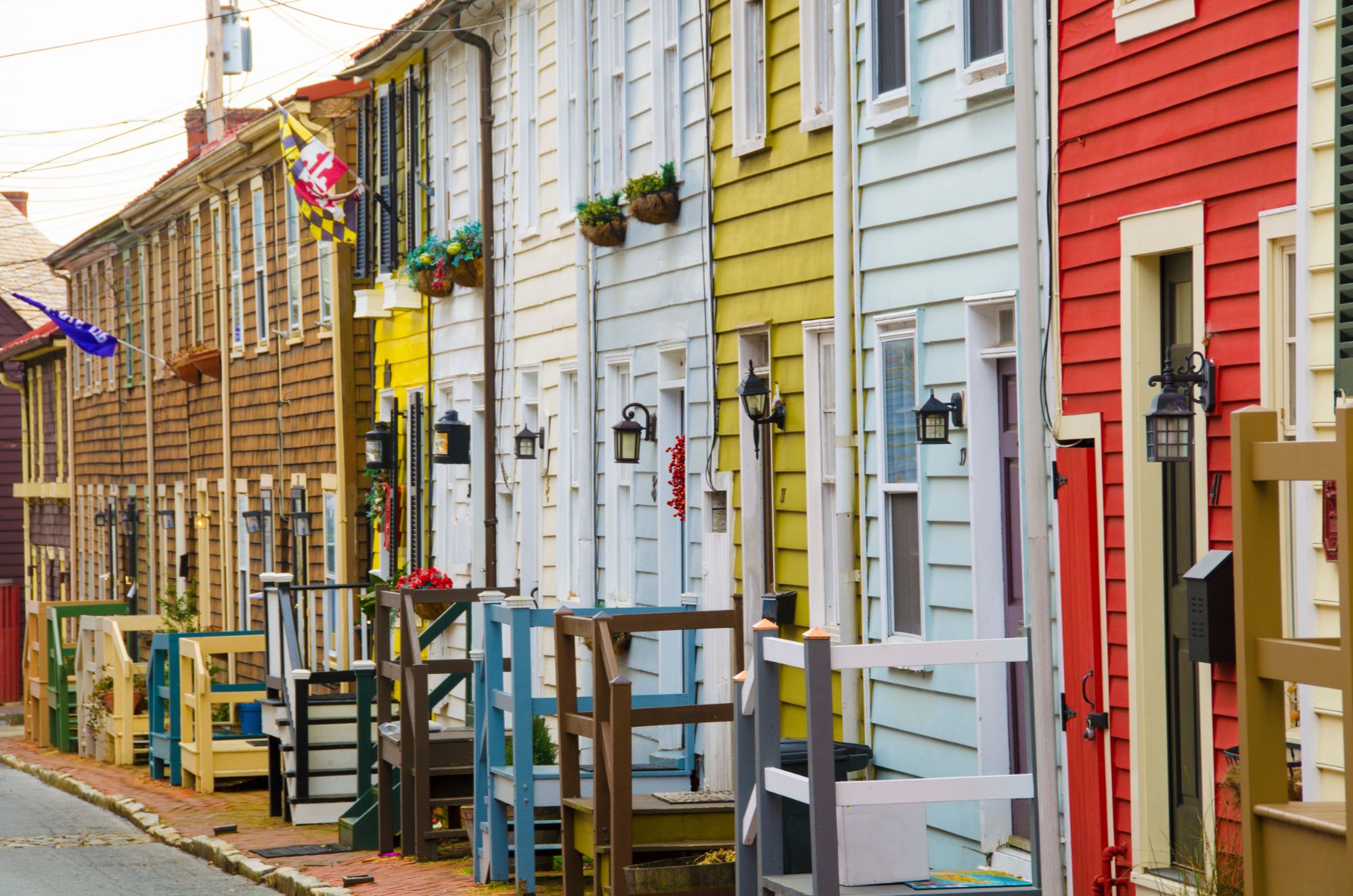
Pricing for unique features: Waterfront homes or historic properties often lack direct comparisons. Sellers of these properties should focus on the replacement cost and the specific lifestyle amenities offered.
How Neighborhood Features Influence Home Values
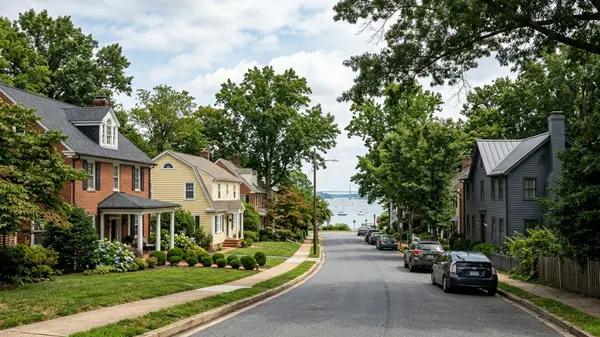
A water-privileged property in Eastport commands a very different price per square foot than a newer build near the Annapolis Town Center. Location dictates baseline value long before you factor in granite countertops or a finished basement. Buyers look at commute times, nearby amenities, and water access when deciding what a house is worth.
Properties located near the US Naval Academy often attract buyers who work on base and investors looking for rental opportunities. This built-in demand creates a baseline of stability for home values in the immediate surrounding blocks. Meanwhile, neighborhoods like St. Margaret's offer larger lot sizes and privacy, appealing to buyers looking for more space just outside the downtown core.
Homeowners association amenities also alter the pricing equation. Neighborhoods with community docks, pools, or private water access allow sellers to push their asking prices higher than comparable homes in subdivisions without those features. You should evaluate how your specific location stacks up against active listings nearby.
Timing Your Sale and Analyzing Local Data
Maryland real estate typically sees a surge in buyer activity during the spring and early summer months. Listing your home between April and July often puts it in front of the largest possible audience. However, the exact timing should align with your personal moving schedule and the current inventory in your specific neighborhood.
To pinpoint the right number, sellers pull recent comparable sales, or "comps," from the local Multiple Listing Service (MLS). These comps should be homes similar in size, age, and condition that have sold within the last three to six months in Anne Arundel County. Active listings show your competition, but sold data proves what buyers are willing to pay.
Condition plays a major role when adjusting your price against those recent sales. If the house down the street sold for $650,000 but had a brand-new roof and renovated kitchen, you will need to adjust your expectations if your home needs updates. Working with a local real estate agent helps clarify these adjustments and keeps your listing competitive.
Frequently Asked Questions About Selling in Annapolis
What is the median home price in Annapolis, MD right now?
As of mid-2026, the median sale price for a home in Annapolis is approximately $618,000. This figure varies widely depending on whether you are selling a downtown condo or a single-family detached home.
How does pricing below market value work in Annapolis?
Listing a home slightly under its appraised value encourages a larger volume of buyers to tour the property immediately. This increased foot traffic often sparks bidding wars, which can push the final sale price above what the seller originally expected.
Do historic homes in Annapolis require a different pricing strategy?
Yes, historic downtown properties often lack direct comparable sales due to their age and distinct architectural features. Sellers should factor in the condition of the home's historic elements, modern system updates, and proximity to Main Street when setting a price.
What happens if I overprice my house in the current Annapolis real estate market?
An overpriced home will likely sit on the market longer than the current 28-day average. Buyers often ignore stale listings, forcing the seller to make incremental price drops that can ultimately result in a lower final sale price than if it were priced correctly from the start.
How much does being in a water-privileged neighborhood change a home's asking price in Annapolis, MD?
Water privileges like community docks or boat ramps add distinct value that buyers are willing to pay a premium for. Properties with these amenities often appraise higher and sell faster than similar homes located a few miles inland.
When is the best time of year to list a house to get the highest price in Annapolis?
Spring and early summer traditionally bring the highest volume of buyers to the Maryland real estate market. Listing between April and June maximizes exposure, though well-priced homes in low-inventory conditions will sell well year-round.
Categories
Recent Posts