 Jen HoldenLicense ID:639966
- +1(443) 803-7620 jen@thejenholdengroup.com
Home Staging Tips for Selling Faster in Annapolis, MD
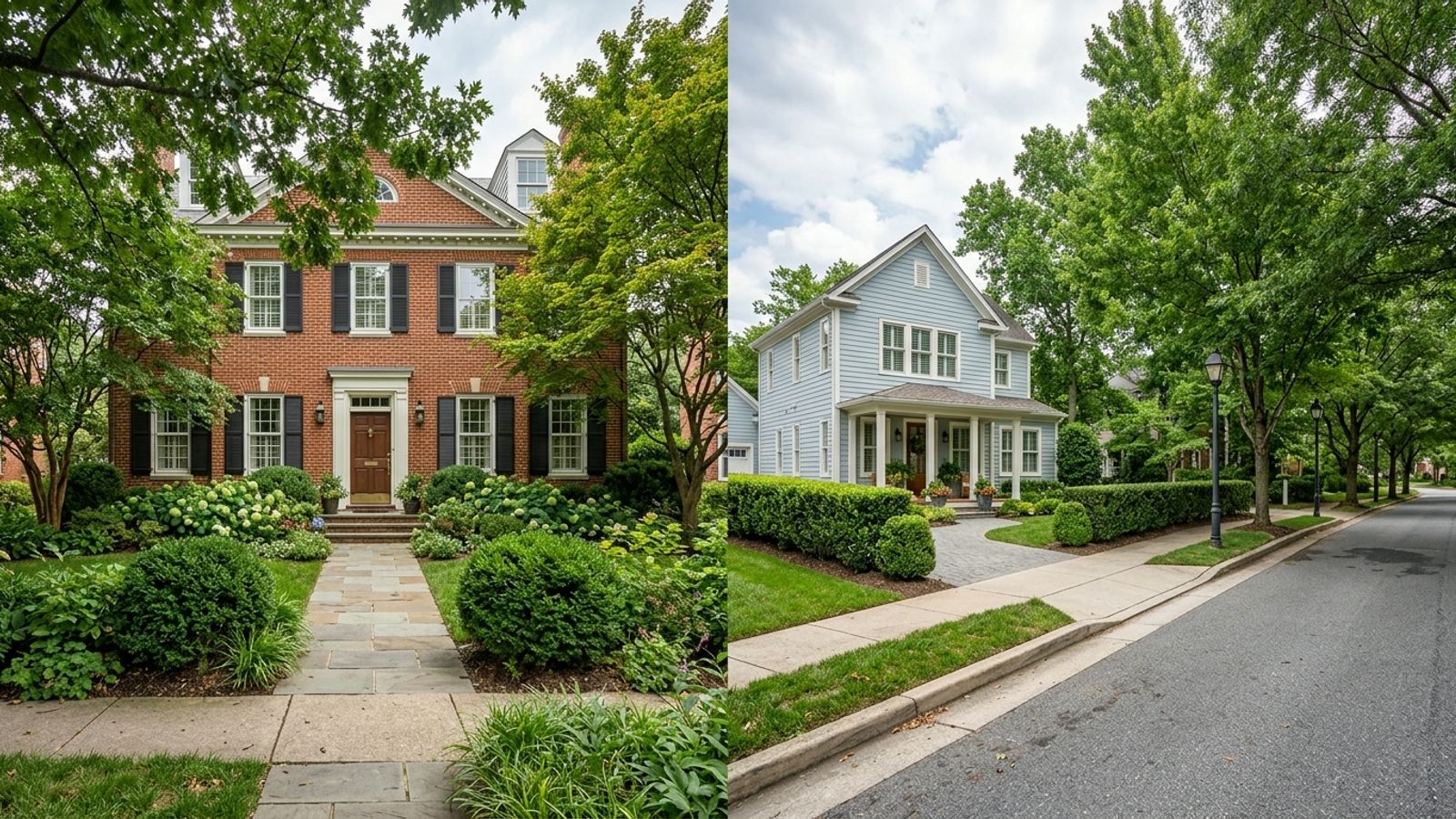
If you are preparing to sell your home in Annapolis, MD, the local median sale price sits around $669,557. Homes are spending roughly 40 days on the market before going under contract, and 165 homes have recently sold in the area. Inventory is relatively tight at 2.7 months of supply, but that doesn't mean buyers are rushing - they're taking their time, comparing options, and walking away from anything that doesn't feel ready.
That's where preparation matters. A clean, well-presented home is what keeps you close to Annapolis's 99.4% average sale-to-list ratio instead of chasing it with price reductions.
Why Staging Your Home Matters in Annapolis
The numbers here are hard to argue with. The National Association of Realtors (NAR) 2025 Profile of Home Staging reports that 83% of buyers' agents say staging makes it easier for buyers to visualize a property as their future home. Nearly three out of 10 agents reported that staging led to a 1% to 10% increase in the dollar value offered by buyers. And about 49% of sellers' agents noted that staging reduced the home's overall time on the market.
In a market where buyers have enough inventory to be selective, those numbers mean something.
Does staging help homes sell faster?
Yes, and the reason is pretty straightforward. When buyers can immediately see how a room functions, they stop wondering whether their furniture will fit and start thinking about move-in dates. A staged home answers the spatial questions the moment someone walks through the door - faster decisions, quicker offers.
How staging changes buyer perception
An empty or overly personalized house puts the mental work on the buyer. They have to imagine the layout, the scale, the feel of the space. Staging removes that hurdle by clearly defining each room and giving it a purpose.
Sellers most commonly stage the living room, primary bedroom, dining room, and kitchen. Those four areas shape how buyers remember the entire property, so that's where the effort belongs.
The Cost of Home Staging in Annapolis
Angi reports that home staging in the Annapolis area averages about $1,800, with prices generally ranging from $150 for a basic consultation up to $5,000 for a full-service package. HomeGuide estimates a standard staged home costs between $1,500 and $4,000 - and if you use your own furniture, that estimate drops to between $1,000 and $3,000.
So the range is wide, and the variables that move the number are pretty predictable: how much of the house you're staging, whether the stager needs to bring in furniture, and how long the home sits before it sells.
Professional staging cost ranges
Local hourly staging rates in Annapolis run about $160 to $170, according to ProMatcher. Houzeo cites a broader local range of roughly $600 to $2,500 depending on the scope of work, and you can expect to pay around $600 per room for a standard professional setup. Costs scale up based on the size of the home and how much furniture the job requires.
Pricing for vacant versus occupied homes
Vacant homes cost more - full stop. The staging company has to supply and transport every piece of furniture, which is why HomeGuide notes that staging a vacant home with rented furniture can cost between $3,000 and $6,000. Occupied homes rely on what you already own, so the stager focuses on rearranging and editing rather than hauling in a full house of inventory. That keeps costs significantly lower.
Professional Staging Versus Doing It Yourself
About 21% of sellers' agents stage all their sellers' homes prior to listing, according to the 2025 NAR report. Whether you hire someone or handle it yourself really comes down to two things: your budget and the current state of the home.
If you have a decent eye for design and a house full of reasonably scaled furniture, you can often do this yourself. If the house is vacant, or the furniture you own is oversized or dated, a professional is probably worth the cost.
When to hire a professional stager
Hire a professional when your house is empty or when your furniture works against the space. Professionals keep inventory specifically scaled to make rooms read larger, and they know how to arrange pieces to highlight architectural features rather than compete with them. They also bring an outside perspective - after living somewhere for years, it's hard to see what a stranger sees when they walk in.
A staging checklist for sellers
Start by packing away family photos and personal collections. Remove enough furniture to create clear walkways through every room - if it feels sparse to you, it probably feels open to a buyer. Then deep clean everything: baseboards, windows, light fixtures, all of it. A spotless house signals to buyers that the property has been cared for, and that impression sticks.
Room-by-Room Home Staging Tips in Annapolis, MD
The 2025 NAR report shows the living room is the most commonly staged room at 91%, followed by the primary bedroom at 83%, the dining room at 69%, and the kitchen at 68%. Those percentages reflect where buyers focus their attention, which is exactly where your time and money should go.
Living rooms and kitchens
Pull furniture away from the walls in the living room and arrange it around a conversational grouping. It makes the room feel larger and shows buyers how the space actually works for everyday life.
In the kitchen, clear the counters of small appliances and leave only one or two simple items - a bowl of fresh fruit, nothing more. Buyers will open every cabinet and drawer, so make sure they're organized before the first showing.
Primary bedrooms and bathrooms
The primary bedroom should feel like a hotel suite: crisp, neutral bedding, clear nightstands, no oversized dressers or extra chairs crowding the room. Removing bulky pieces does more for perceived square footage than almost anything else in there.
In the bathrooms, get your personal toiletries off every counter and shower ledge. Hang fresh white towels that match, add a new shower curtain, and call it done.
Curb appeal and entryways
Buyers form an opinion before they open the front door. Power wash the exterior, trim overgrown bushes, and apply fresh mulch to the flower beds. It's not glamorous work, but it tells buyers the home has been maintained.
Inside, clear the entryway of shoes, coats, and anything else that's accumulated there. A clean, open foyer sets the tone for everything that follows.
Decluttering and depersonalizing
Buyers need to picture their own lives in the house, and that's hard to do when your family is everywhere. Pack away photos, diplomas, and collections before you list. Thin out closets and storage areas too - a half-empty closet signals storage capacity, which is something buyers actively look for.
Staging an Occupied Home Versus a Vacant Listing
Staging a vacant home with rented furniture can exceed $6,000. Occupied staging often stays under $3,000. The gap is significant, and the approach is completely different for each situation.
Living in the home while it's on the market means balancing real life with keeping the place show-ready. A vacant home skips the daily cleanup but needs furniture to keep rooms from feeling cold and small.
Staging while you still live there
Rent a storage unit early. Seasonal items, excess furniture, the boxes you've been meaning to deal with - get them out of the house. Keep a laundry basket somewhere accessible so you can do a fast sweep before a last-minute showing.
The morning routine matters here: make the beds, wipe down the counters, and leave. If you maintain that habit every day, you won't be caught off guard.
When virtual staging makes sense
Virtual staging uses software to place digital furniture into photos of an empty house, which helps online buyers understand the floor plan and room dimensions before they schedule a tour. It works well for vacant properties on a tight budget.
The honest caveat: the house will still be empty when buyers arrive in person. Virtual staging gets people through the door; it doesn't replace the physical experience. That tradeoff is worth thinking through before you commit to it.
Home Stagers and Services Near Annapolis, MD
Annapolis has several locally based staging firms worth knowing about. Wall to Wall Home Staging LLC and TLC Home Staging are both based in the area - TLC Home Staging was founded in 2008 by Terry L. Cooch. MuralizeIt Interiors is another local option, offering certified home stagers and fine artists. Thumbtack also lists locally reviewed providers serving the area, including Different Stages, R&S Interiors LLC, and H&H Home Staging & Redesign.
What to look for in a local stager
A reputable stager maintains their own inventory of furniture and decor rather than renting pieces job by job. Before you hire anyone, ask to see a portfolio of their work in the Annapolis area - style matters, and you want someone whose aesthetic fits the property.
Read the contract carefully. Understand what the initial rental period covers and whether there are monthly renewal fees if the home takes longer to sell than expected.
Questions to ask before you hire
Ask whether they carry liability insurance for any damage during move-in. Clarify whether the quoted price includes delivery, setup, and removal - not every company bundles all three. Ask how much notice they need to clear the house once you go under contract. Getting those logistics sorted early prevents delays when you're ready to close.
Preparing Your Annapolis Home for the Market
With 143 homes currently in the Annapolis inventory, your listing is competing directly against a specific set of properties. The sellers who stand out are the ones who did the work before the sign went in the yard.
A listing consultation is the right place to start. Your agent walks through every room, compares the property's current condition to recent sales in your neighborhood, and identifies which staging efforts will actually move the needle.
What a listing consultation looks like
You'll go room by room together. The agent points out what to pack away, what minor repairs are worth doing, and what can be left alone. You'll leave with a realistic timeline for getting the house ready for photos and a clear plan for what needs to happen before the listing goes live.
It takes the guesswork out of the process, which is exactly the point.
Finding a trusted local stager
Most experienced local agents maintain a network of contractors they've worked with repeatedly, and stagers are part of that list. A referral from your agent means you're getting someone whose work they've seen firsthand - and someone who knows how to coordinate with the agent's photography schedule so nothing falls behind.
Home Staging FAQs
Does home staging help sell a house faster in Annapolis?
Yes. According to the 2025 NAR report, 49% of sellers' agents stated that staging reduced the time a home spent on the market.
How much does it cost to stage a house in Annapolis?
It depends on the scope of the project. Angi reports an average cost of about $1,800 in the Annapolis area, with prices ranging from $150 to $5,000.
What's the difference between hiring a professional stager and DIY staging?
Professional stagers bring in their own scaled furniture and design expertise to optimize the space. DIY staging involves decluttering, cleaning, and rearranging your existing furniture yourself.
How should I stage a house I'm still living in vs. an empty one?
If you live in the home, focus on deep cleaning, removing personal items, and renting a storage unit for excess furniture. For an empty house, you should rent furniture for the primary living spaces to help buyers visualize the layout.
What is virtual staging, and is it enough for my listing in Annapolis?
Virtual staging adds digital furniture to listing photos of a vacant home. It helps attract buyers online, but the physical house will still feel empty during in-person tours.
How long does home staging take before I can list?
It depends on the property's condition and the stager's schedule. A DIY decluttering effort takes as long as you need, while a professional stager can furnish a vacant home relatively quickly once you sign a contract.
What should I NOT do when staging my house?
Don't leave personal family photos, religious items, or political decor on display. Avoid pushing all the furniture against the walls, too - it makes rooms feel smaller and less inviting, not larger.
Are staging fees included in my agent's compensation?
Preparing your property for the market is generally a separate expense from standard real estate commissions in Annapolis. While some agents might include a basic consultation as part of their services, full professional staging requires an independent budget. Discussing these details during your initial listing consultation helps clarify your overall financial commitments.
Can I pay for professional staging at the end of the sale?
Most staging companies require payment upfront before they deliver furniture or begin their work. These staging fees are typically handled out of pocket rather than being rolled into your standard seller closing costs in Annapolis. Planning for this expense early ensures your property is ready for buyers without delaying the listing process.
Categories
Recent Posts