 Jen HoldenLicense ID:639966
- +1(443) 803-7620 jen@thejenholdengroup.com
Buying a Home in 2026: The Weather and Climate in Annapolis, MD
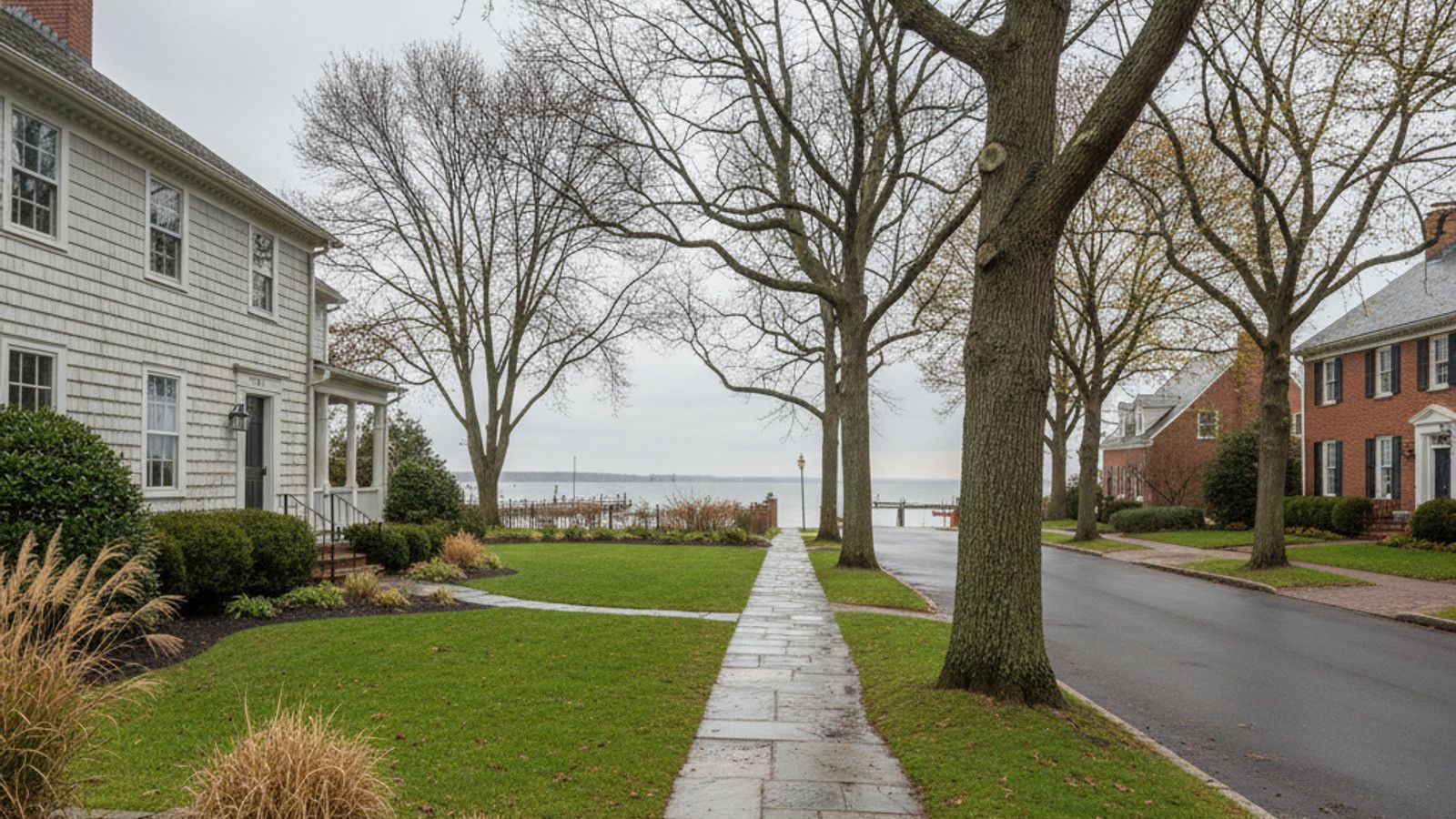
The median sale price for a home in Annapolis sits around $620,000 to $660,000 this year. Buyers spending that kind of money need to understand how the local environment will impact their daily lives and property upkeep. The weather and climate in Annapolis, MD dictate everything from utility bills to exterior maintenance schedules.
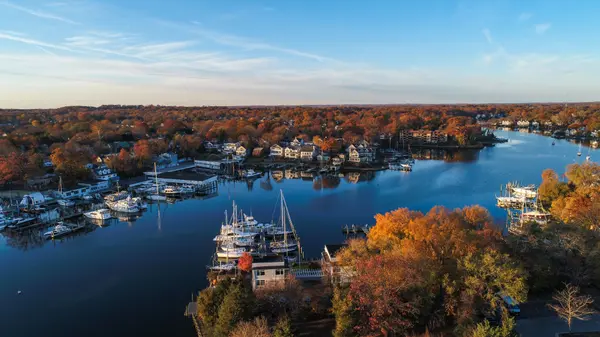
Proximity to the Chesapeake Bay creates distinct seasonal shifts that affect both the lifestyle and the housing market. Waterfront properties face specific environmental conditions that inland homes do not. Understanding these patterns helps buyers budget for maintenance and time their real estate searches effectively.
Year-Round Temperature and Precipitation Patterns
Annapolis receives about 47 inches of rain annually, spread fairly evenly across the twelve months. The city experiences four distinct seasons, though the nearby water acts as a moderate temperature regulator. This coastal effect means the area avoids some of the extreme temperature swings seen further inland in Maryland.
The National Weather Service tracks consistent precipitation throughout the year, meaning homeowners need reliable drainage systems regardless of the season. Gutters and downspouts do a lot of work here to keep water away from foundations. Buyers should always check the grading around a property during their home inspection to ensure water flows away from the house.
Summer Humidity and Afternoon Storms
The July high averages around 86 to 87 degrees Fahrenheit. Humidity levels peak from July through August, making the air feel warmer than the actual temperature. These conditions align with the local sailing season, drawing heavy boat traffic to the local marinas.
Afternoon thunderstorms frequently roll through the region during the late summer months. These sudden storms bring heavy downpours and strong wind gusts off the water. Homeowners should secure outdoor furniture and ensure their roof shingles are in good condition before the summer storm season begins.
Cooler Months and Winter Snowfall
January stands as the coolest month, with low temperatures typically dropping to around 28 to 34 degrees Fahrenheit. Annual snowfall averages between 12 and 20 inches, depending on the specific winter track. The coastal effect often turns potential snowstorms into rain or a wintry mix.
When snow does fall, it usually melts quickly due to the slightly warmer temperatures near the Bay. Residents rarely deal with prolonged snow accumulation on their driveways and sidewalks. However, freezing overnight temperatures still require homeowners to winterize exterior pipes and irrigation systems.
Maintaining a Home Near the Chesapeake Bay
Salt air and constant moisture accelerate wear and tear on exterior building materials. Homes located near the water require more frequent exterior painting and siding inspections than properties located further inland. Wood decking and trim can rot quickly if not sealed on a regular schedule.
Indoor moisture control presents another ongoing task for local homeowners. Basements and crawl spaces often trap damp air, creating environments where mold can grow. Dehumidifiers run constantly in many local basements to keep indoor humidity levels in check.
Managing Flood Zones and Waterfront Risks
Buyers looking at neighborhoods like Eastport or Downtown should verify if a property sits in a FEMA Special Flood Hazard Area. Homes in these designated zones require flood insurance if the buyer uses a mortgage. Flood insurance premiums range from $800 to over $1,200 annually, depending on the home's elevation and specific flood zone.
Waterfront property owners often manage specific structural features to protect their land from erosion. Many properties utilize bulkheads or riprap along the shoreline to break incoming waves. Buyers should have a marine contractor inspect these structures, as repairing a failing bulkhead costs tens of thousands of dollars.
Seasonal Recreation and Park Access
Local residents spend a large portion of the year outdoors, taking advantage of the surrounding waterways and park systems. Sandy Point State Park sees high visitor volume during the summer as people utilize the public beaches and boat ramps. The warmer months revolve entirely around water access, paddleboarding, and sailing.
As temperatures drop in the fall, the focus shifts toward hiking and biking along the local trail networks. Quiet Waters Park remains active year-round, offering miles of paved trails through forested areas. During the winter, the park opens an outdoor ice skating rink that operates until the early spring thaw.
How Seasons Drive the Local Housing Market
Well-priced homes in Annapolis average 25 to 49 days on the market in 2026. This timeline fluctuates based on the time of year and the corresponding weather patterns. The local real estate cycle follows a predictable seasonal rhythm tied directly to the climate.
Spring brings a surge in new listings and buyer demand as the weather warms up and properties look their best. The summer market gets an additional boost from military rotations at the U.S. Naval Academy, bringing new personnel into the area. Sellers often aim to list between March and June to capture this peak activity window.
Winter weather slows down the pace of real estate transactions across the county. Fewer buyers want to attend open houses or schedule showings when temperatures drop below freezing. However, buyers who shop in December and January often face less competition and can sometimes negotiate better terms on a house.
Frequently Asked Questions
What type of climate does Annapolis have?
Annapolis features a humid subtropical climate. This classification means the area experiences hot, humid summers and generally mild to cool winters. The Chesapeake Bay helps moderate extreme temperature shifts throughout the year.
What are winters like in Annapolis, Maryland?
The winter months bring brisk air and occasional freezing rain, but prolonged deep freezes remain rare. Residents see an average of 12 to 20 inches of snow per year. Most winter days hover in the 40s, allowing for outdoor activities if you dress in layers.
Is Annapolis prone to hurricanes or severe weather?
The city occasionally experiences remnants of tropical storms moving up the East Coast. These events primarily bring heavy rainfall and localized tidal flooding to low-lying streets near the harbor. Direct hurricane strikes remain uncommon, but homeowners near the water still maintain active flood insurance policies to protect against storm surges.
Categories
Recent Posts